
Sem categoria
-
03/02/202114h48Notícia
Laboratory of Zooplankton
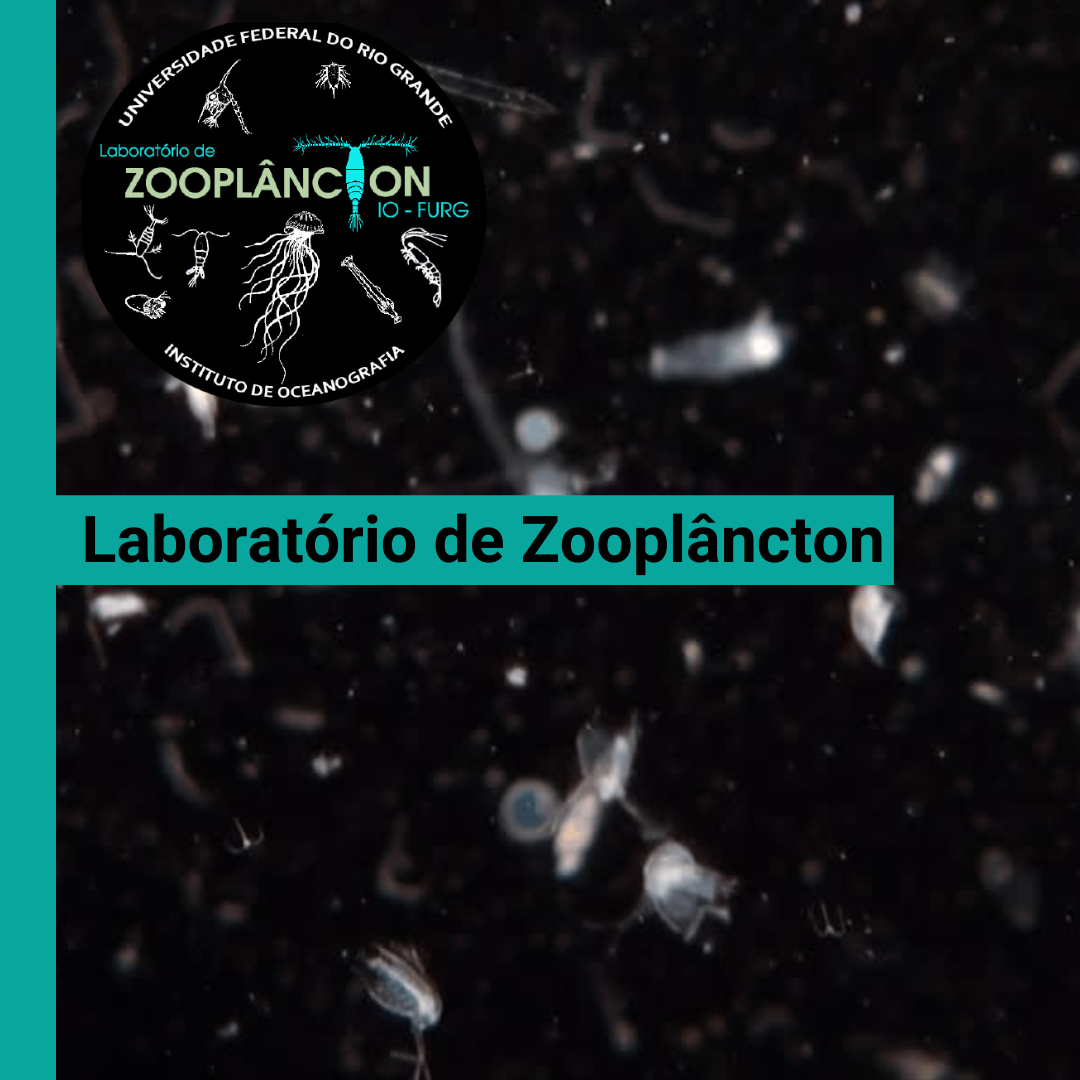
The Laboratory of Zooplankton (LABZOO) investigates the role of zooplankton in the transfer of energy to different ecosystem components, as well as responses of planktonic assemblages to climate change, pollution and biological invasions. Founded in 1978, it is one of the oldest laboratories at FURG and is currently led by Profs. Erik Muxagata, Renato Nagata, and the research technician Savênia Silveira working in research, extension, and in the training of researchers (MSc and PhD levels) through the PPGOB.
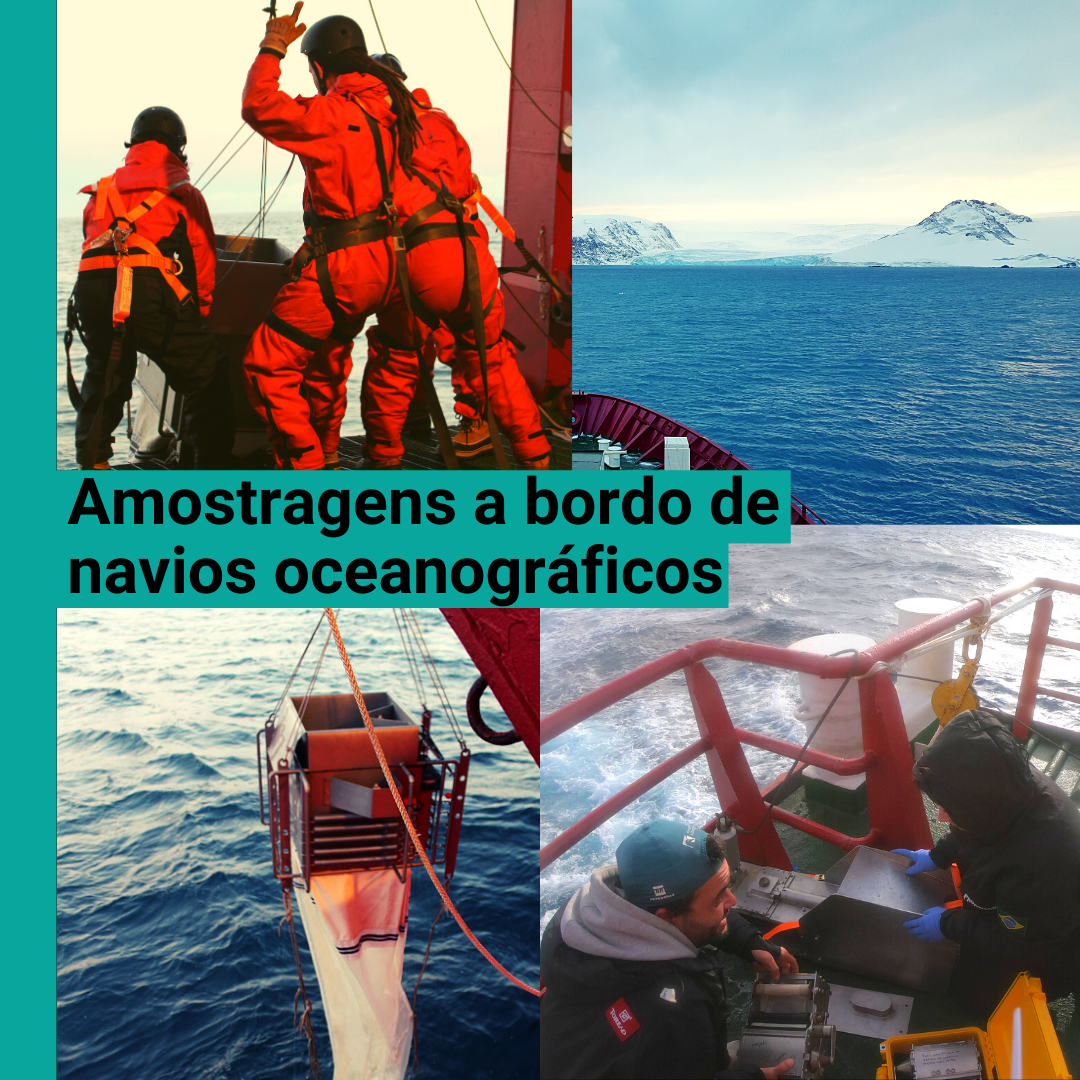
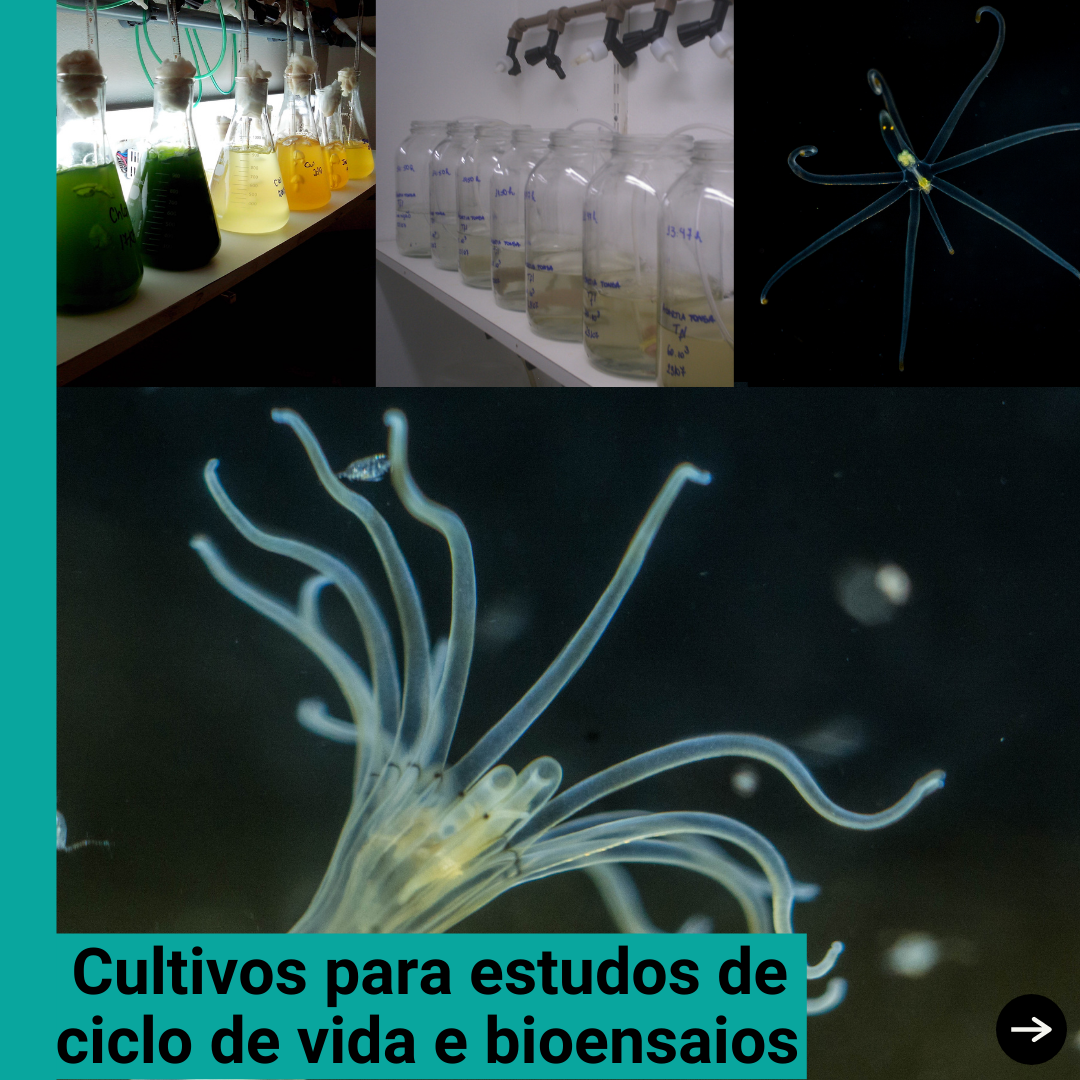
Research is carried out over a vast region of the South Atlantic, from its tropical portion to the extreme south of Brazil and in the Antarctic ocean. In the Laboratory, zooplankton organisms are used in studies on ecology, toxicology, and life cycles. LABZOO's research lines are
- Continuous monitoring of the mesozooplankton in the Patos Lagoon Estuary;
- Functional morphology and biomechanics of zooplankton;
- Secondary production of mesozooplankton;
- Continuous Plankton Recorder (CPR) data collection and analysis;
- Zooplankton cultures for use in aquaculture and bioassays;
- Characterization of biofouling and its interaction with pelagic-benthic coupling;
For more information visit our website, get to know our projects, our team and a little more about zooplankton organisms, the little giants of aquatic ecosystems!
-
03/02/202114h45Notícia
Artisanal Fisheries Resources
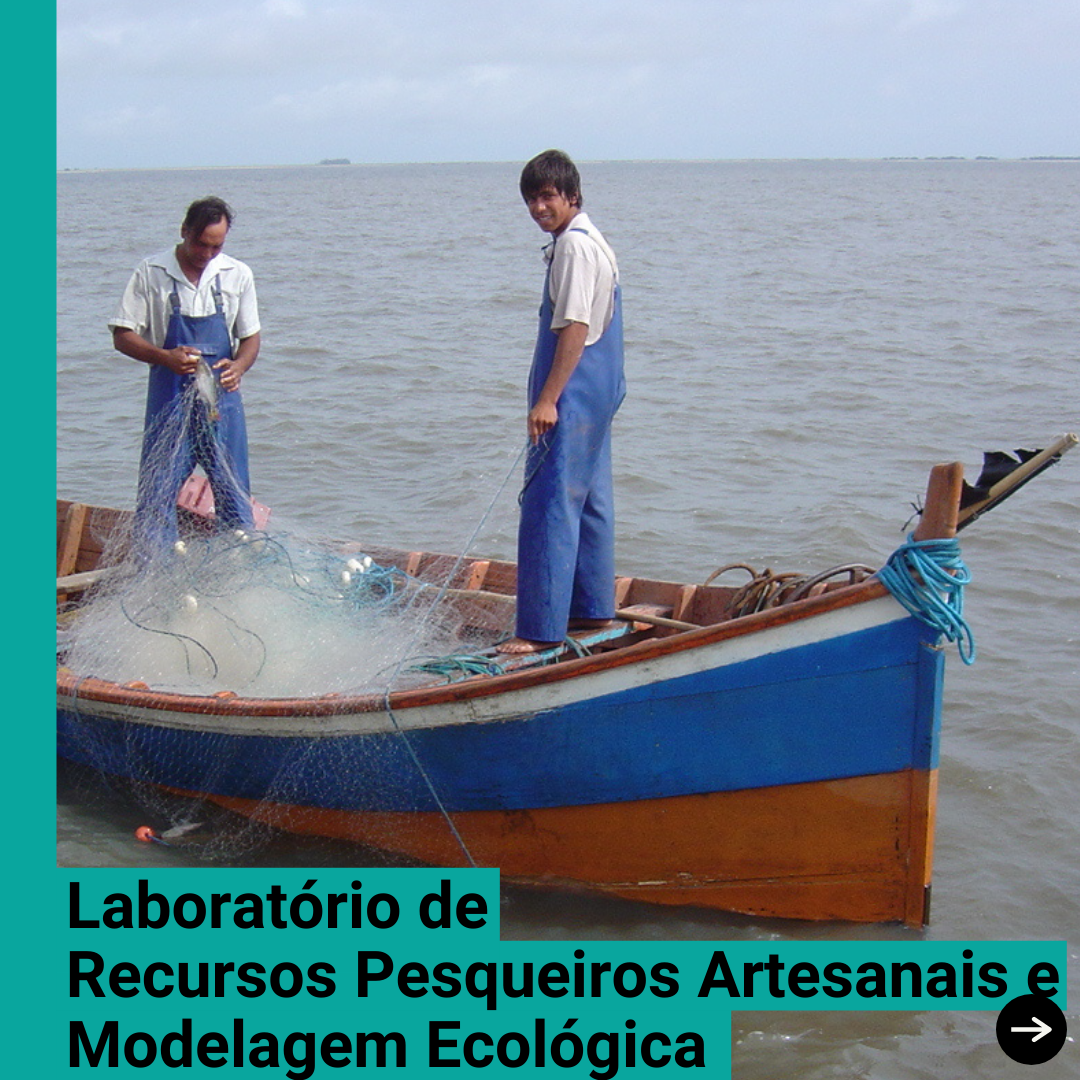
The Laboratory of Artisanal Fisheries Resources and Ecological Modeling is linked to the Institute of Oceanography at FURG and has been active since the 1980s in teaching, research, and extension activities related to the artisanal fisheries sector, embarked or disembarked, in the estuarine and marine regions of the municipality of Rio Grande. It also does research on fishing and ecology in the Patos-Mirim lagoon region.
The work of this laboratory has addressed aspects ranging from the structure of fleets and artisanal fishermen communities, captured species and their biology, fish consumption, and the use of renewable natural resources in a holistic approach, through qualitative and quantitative modeling of these ecosystems. The interactions of amateur (sport) and professional (commercial) fishing are also studied.

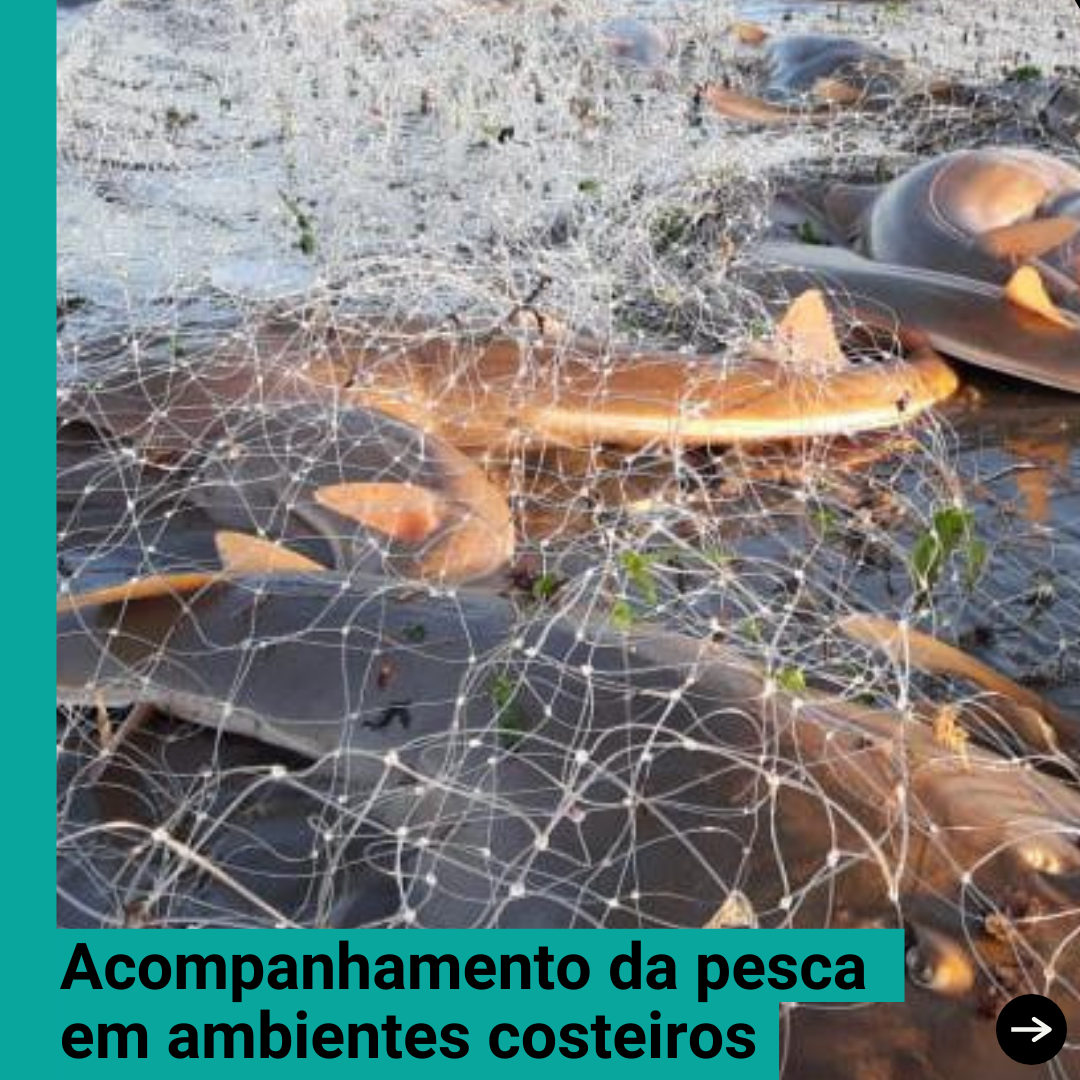
The laboratory is led by Prof. Dr. Gonzalo Velasco C., who is a professor/supervisor at PPGOB and PPGBAAC.
The main research lines of the Lab are:
- Population dynamics, biology and ecology of marine and estuarine fishery resources.
- Management of small and medium scale fisheries.
- Ecology and modeling of aquatic ecosystems.
- Impacts of fisheries on elasmobranch species.
-
03/02/202114h43Notícia
Laboratory of Demersal and Cephalopod Fishery Resources
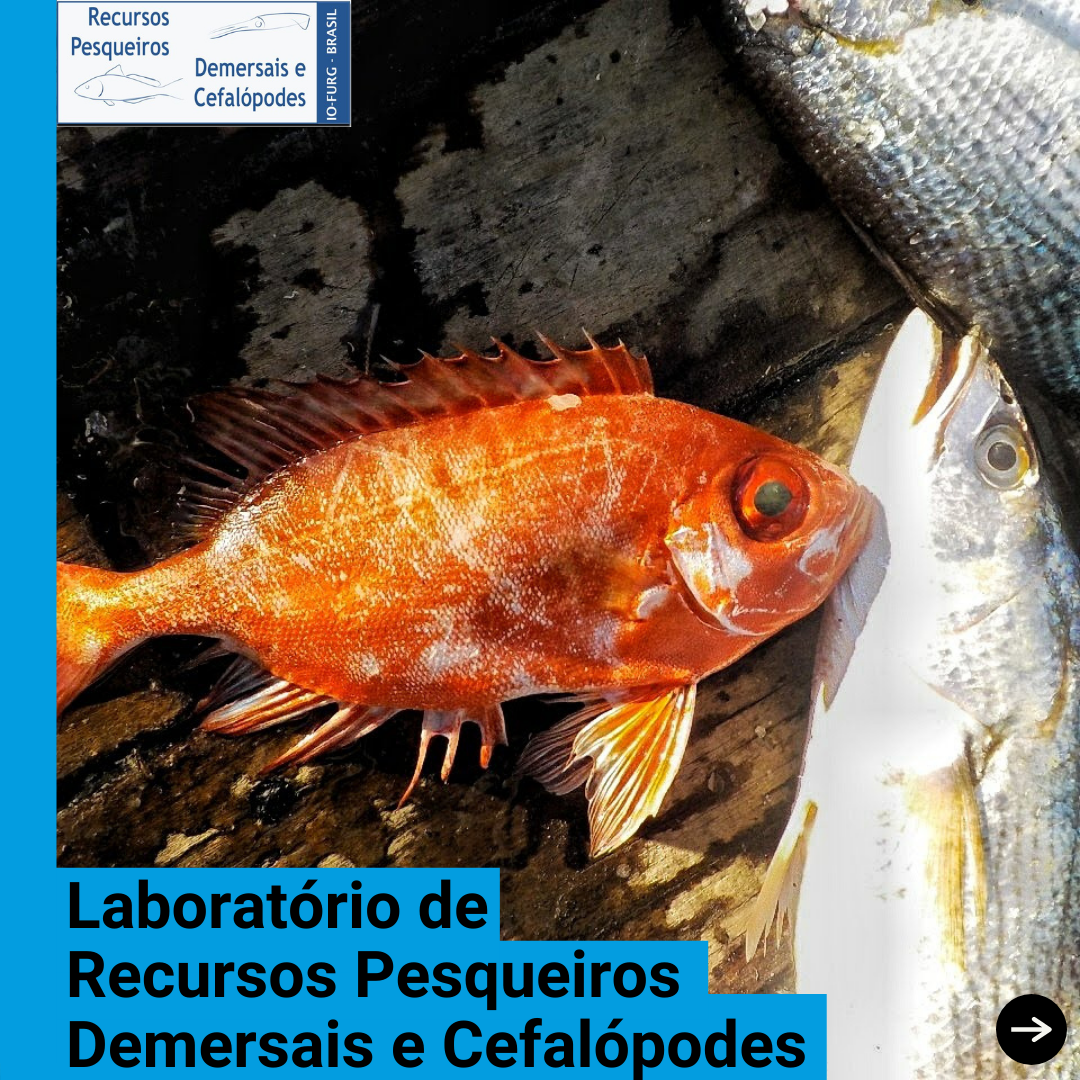
The Laboratory of Demersal and Cephalopod Fishery Resources is linked to the Institute of Oceanography at FURG and has been active, since 1976, in teaching activities, monitoring of industrial marine fisheries landed in the city of Rio Grande and fisheries research.
Over the years, the research developed in the laboratory has subsidized public policies for the sustainable management of marine fishery resources in southern Brazil. The laboratory relies on the activities of Professors Luis Gustavo Cardoso and Manuel Haimovici, mainly in the PPGOB (masters and doctorate).

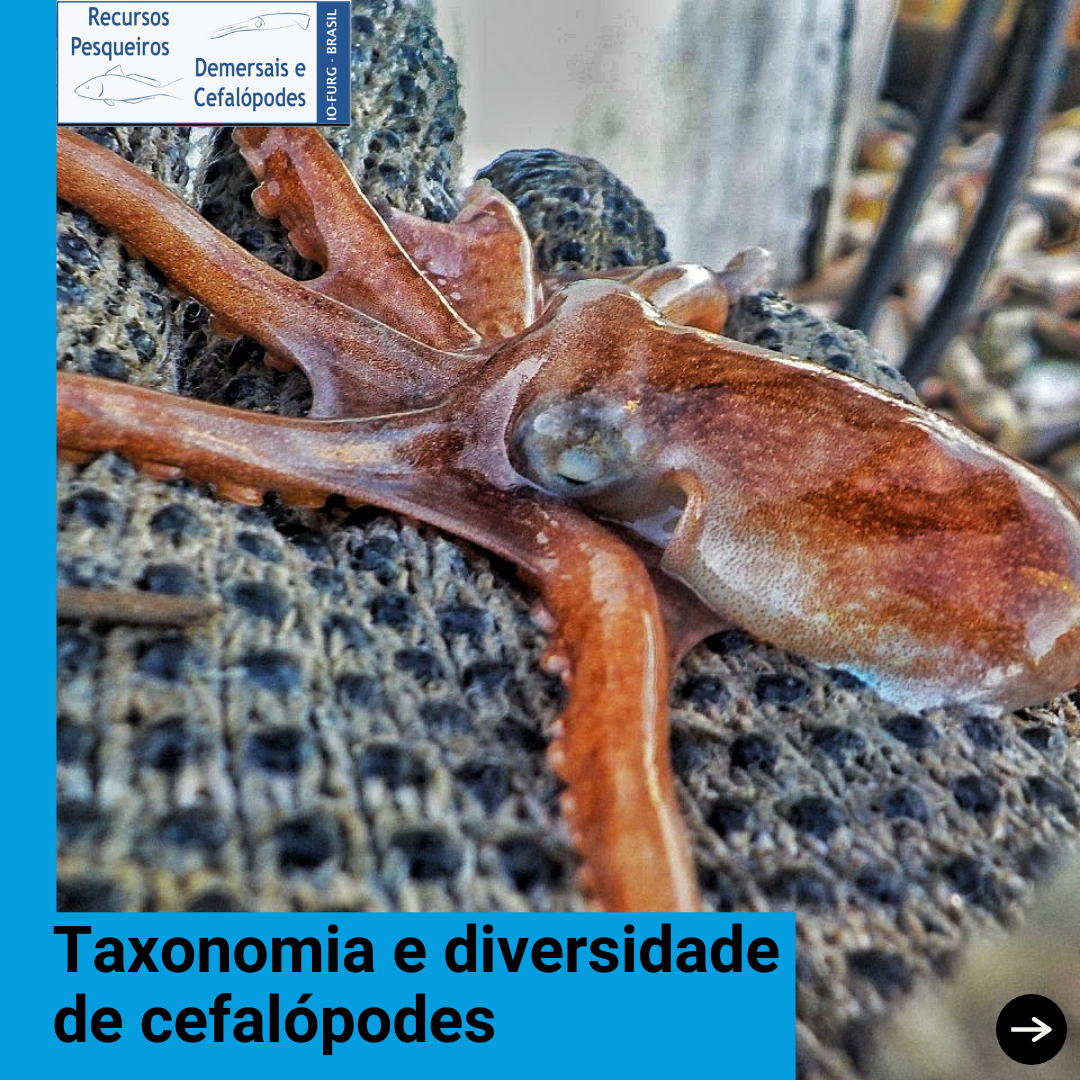
The main research lines of the Laboratory are:
- Fisheries biology, assessment, and management of marine fishery resources
- Taxonomy and biodiversity of cephalopods
- Ecology, population dynamics, assessment and management of cephalopods
- Ecosystem impacts of fisheries
- Biodiversity of the demersal marine nekton
To follow more (Instagram): @demersais
Acknowledgments to @talleslisboa for providing the first and third photos: Atlantic bigeye Priacanthus arenatus and stripped weakfish Cynoscion guatucupa and octopus Octopus vulgaris.
-
03/02/202114h42Notícia
Ecology and Conservation of Marine Megafauna
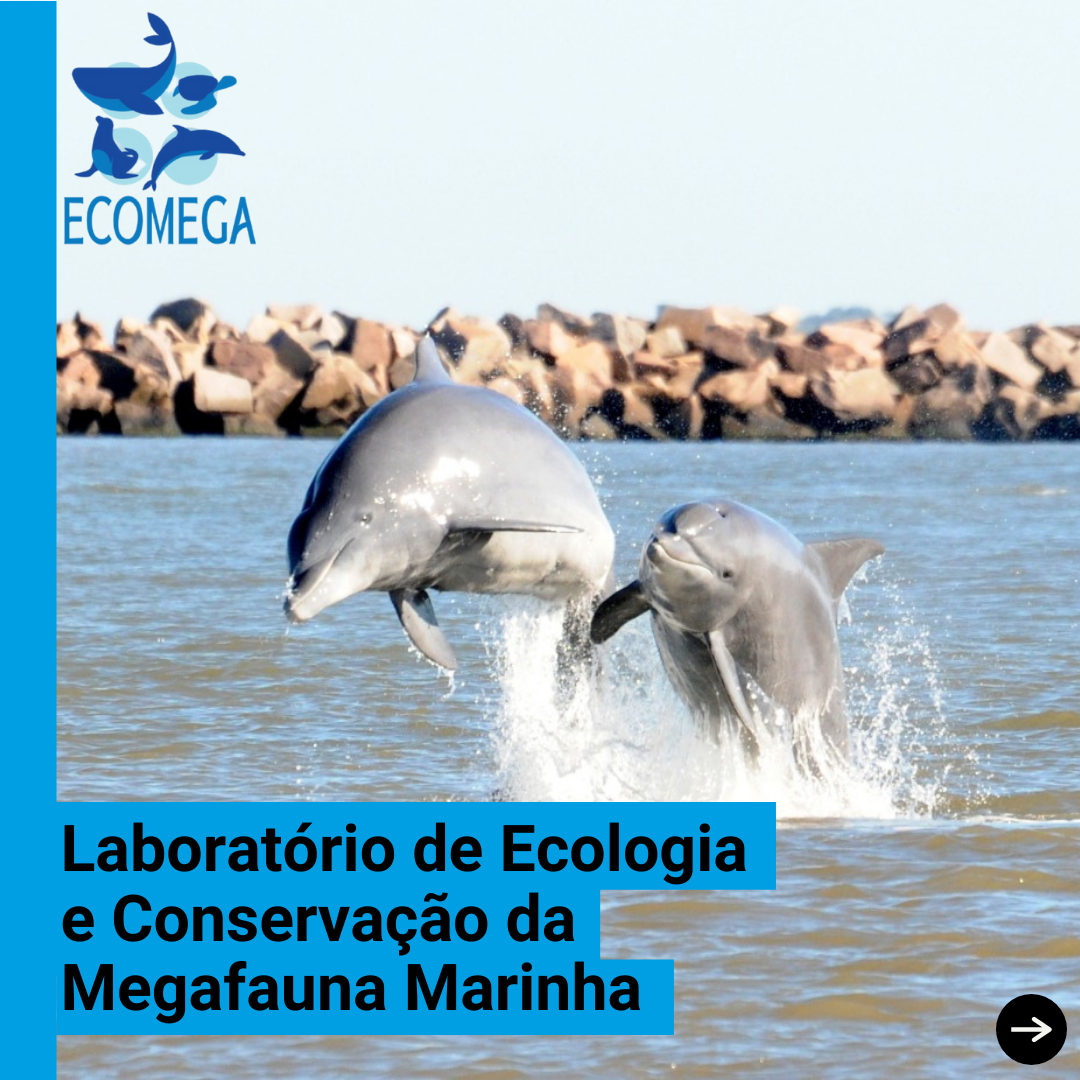
The main focus of the activities developed in the Laboratory is the ecology and conservation of marine megafauna species, especially mammals and turtles. Professors of this Laboratory are involved in teaching activities, both at under graduation and graduation levels, and in the development of research projects in the western South Atlantic and Southern Oceans that have fostered the training of human resources and quality scientific production.
The main research lines are: 1. long term monitoring strandings of marine mammals and turtles on the coast of RS; 2. influence of oceanographic and physiographic parameters on the distribution, composition, abundance and trophic ecology of the components of marine megafauna in polar and subtropical environments; 3. Interaction of marine mammals and turtles with fishing activities; 4. trophic ecology of marine mammals and turtles; 5. population genetics of marine mammals and turtles; 6. ecology and conservation of franciscana and Lahille’s bottlenose dolphins.
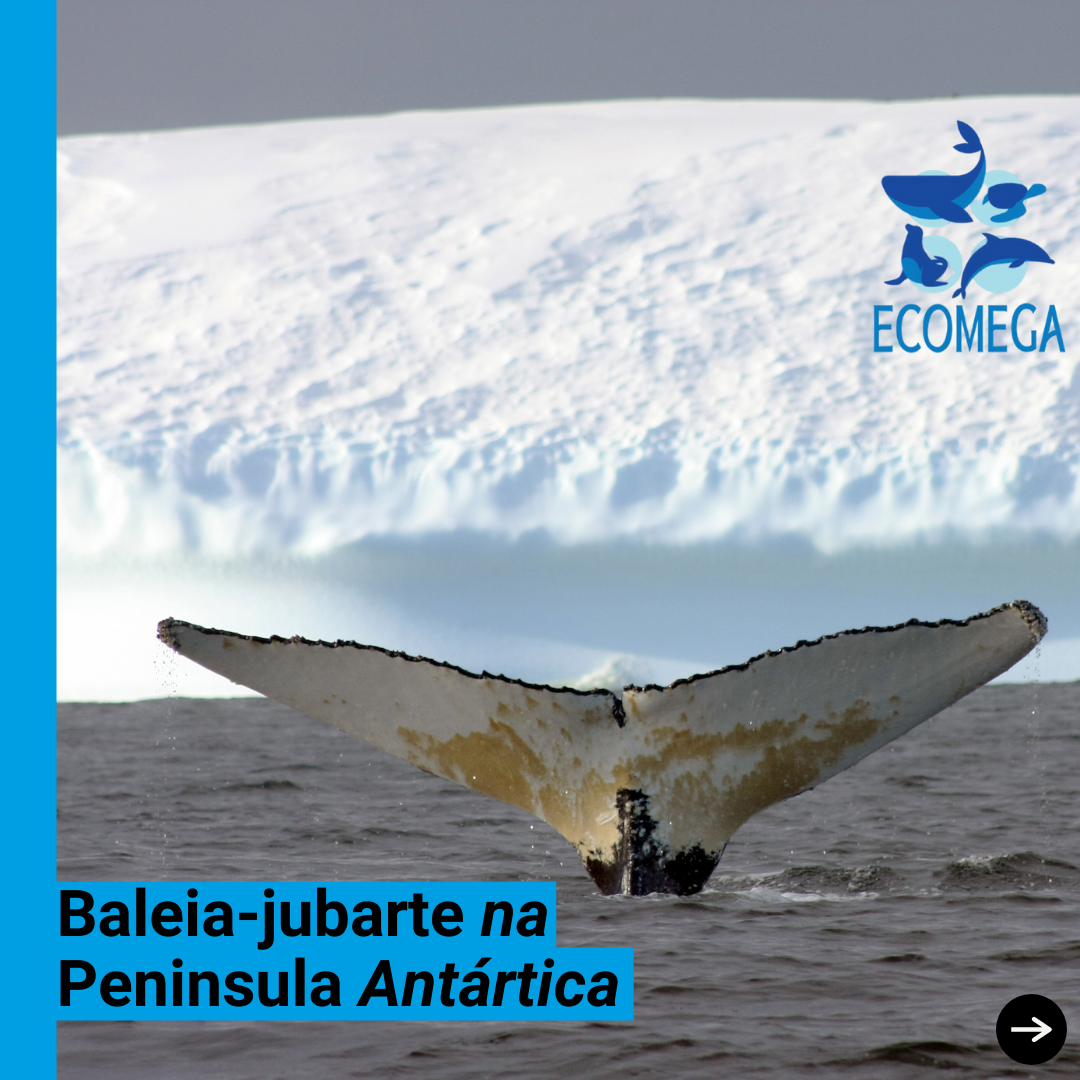

The Laboratory has an important infrastructure in place and the work of Professors Eduardo R. Secchi, Silvina Botta and Luciano Dalla Rosa, as well as post-doctoral fellows, technical fellows and undergraduate and graduate students.
To follow more (Instagram): @ecomegafurg
-
03/02/202114h41Notícia
Ichthyology
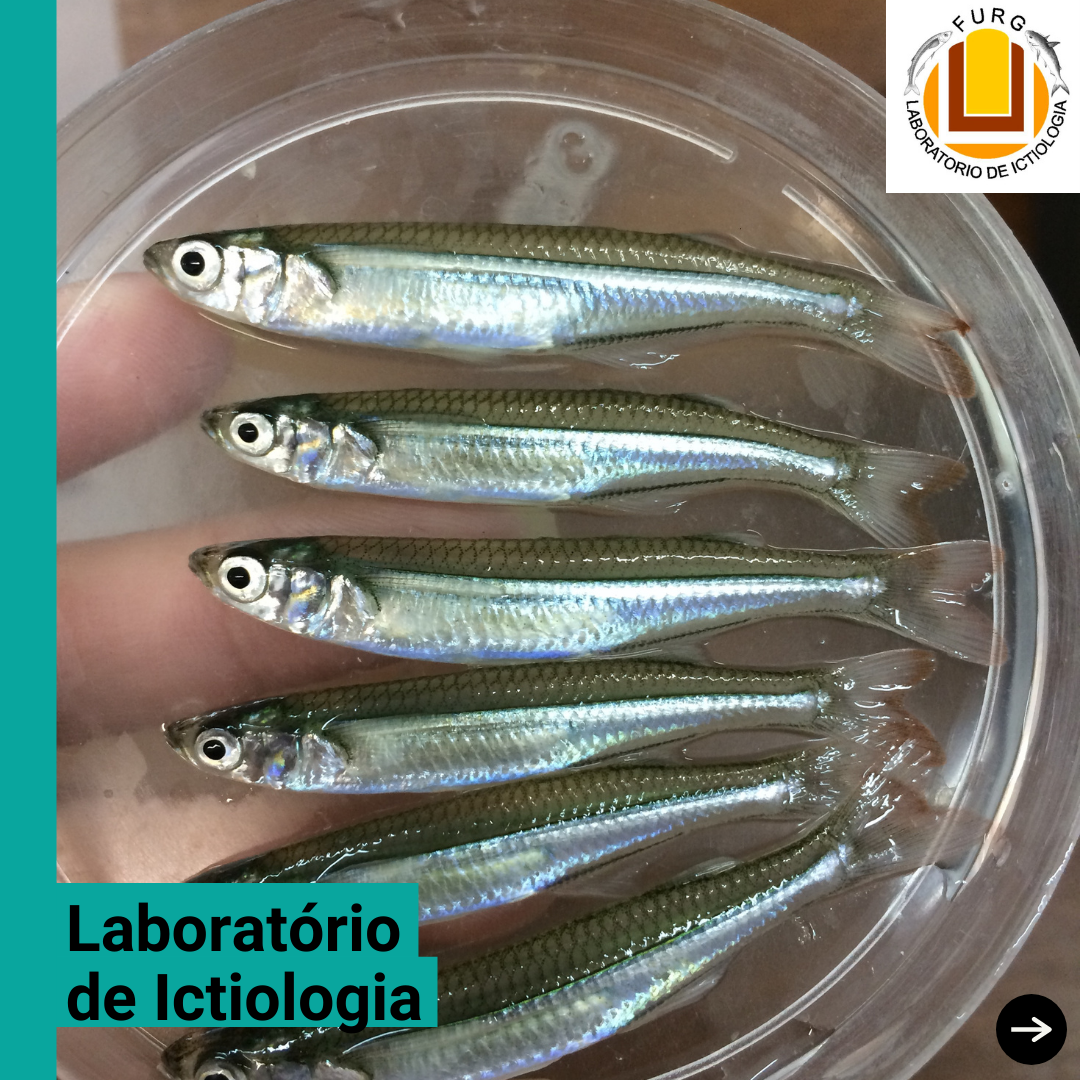
The Laboratory of Ichthyology (LabIctio) of the Institute of Oceanography at FURG was created in the late 1970s by Dr. Labbish N. Chao. Currently, LabIctio is led by professors Dr. Alexandre M. Garcia and Dr. João P. Vieira, with the collaboration of undergraduate and graduate students and researchers in Brazil and abroad.
Our research lines are focused on the ecology of freshwater, estuarine and marine fish species, mainly investigating the influence of climate change on species behavior. The LabIctio is engaged in long-term monitoring (PELD-ELPA project) involving monthly field activities, in which the influence of anthropogenic activities on fish abundance and composition, short- and long-term climatic events and their effects on the species, and changes in trophic community interactions due to climate change are mainly evaluated.
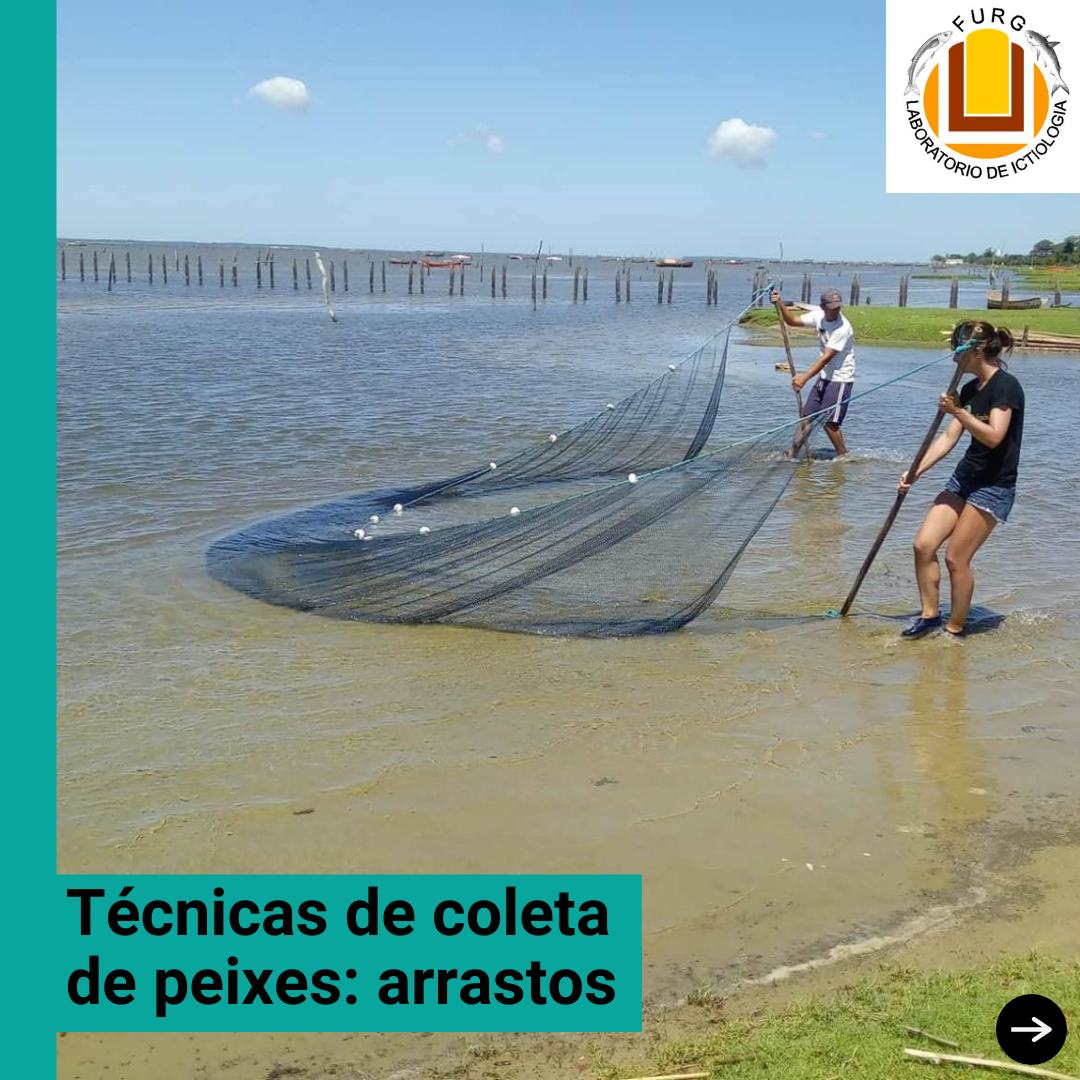
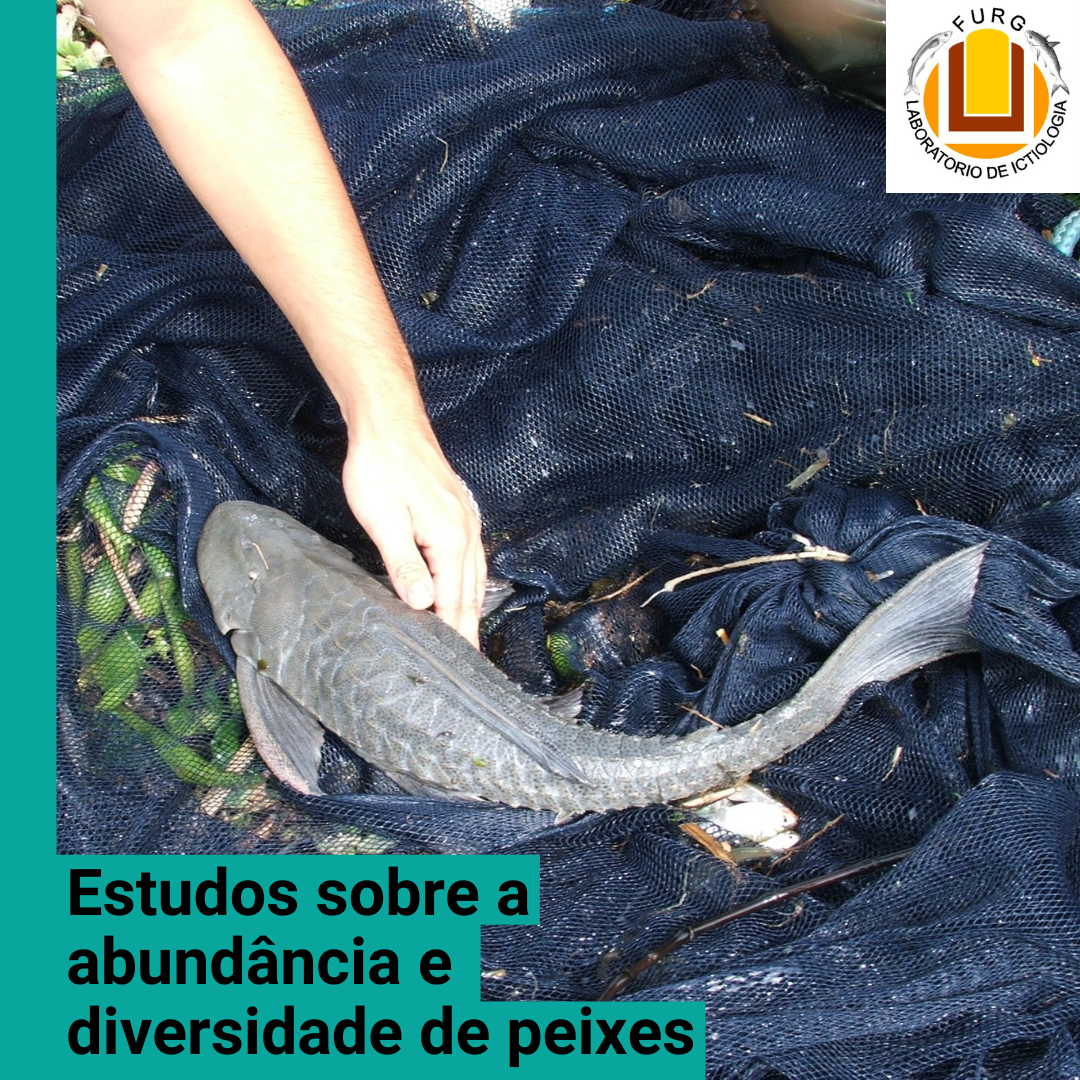
It also investigates how different migrating fish species may transfer energy between freshwater-estuarine-sea environments through their movement and feeding interactions using techniques such as otolith microchemistry and stable isotopes.
The LabIctio in the Postgraduate Biological Oceanography (PPGOB) and the Postgraduate Biology of Continental Aquatic Environments (PPGBAC), both at the MSc and PhD levels.
-
03/02/202114h39Notícia
Fishing Technology and Hydroacoustics
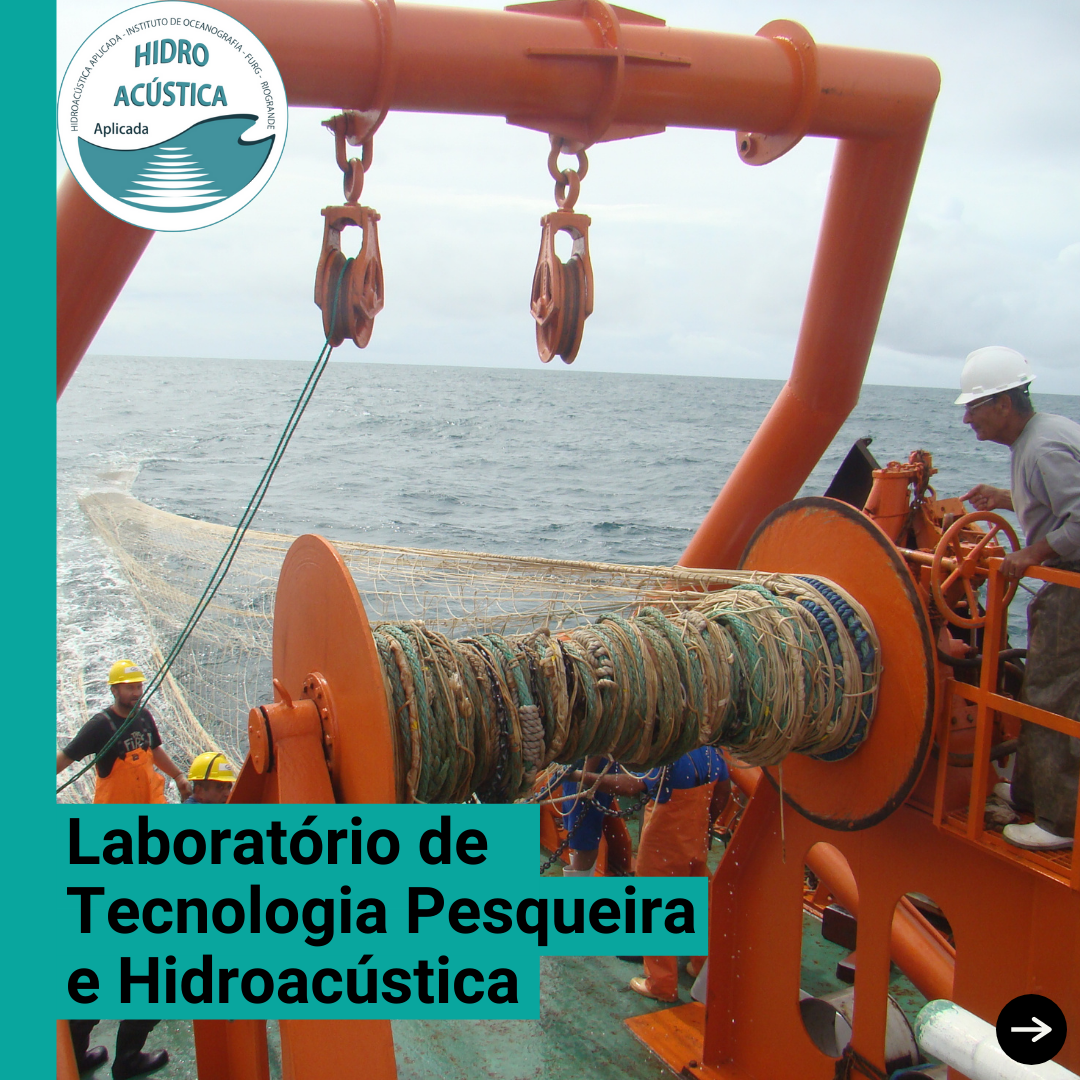
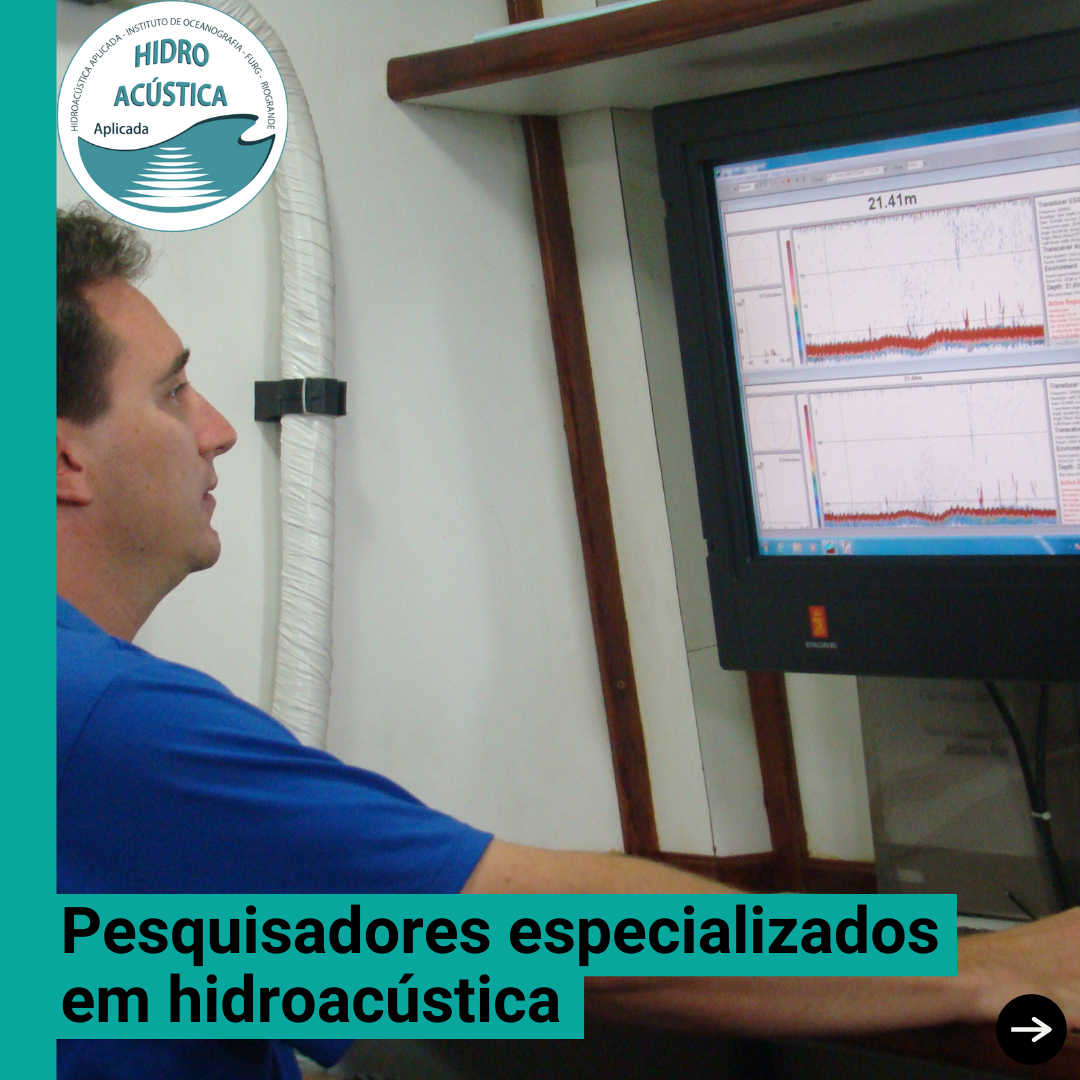
In the Laboratory of Fishing Technology and Hydroacoustics, under the coordination of professors Stefan Weigert and Lauro Saint Pastous Madureira, fishing and ecological research projects are developed. There is a team of researchers there specialized in the use of hydroacoustic equipment for the prospecting, mapping, and estimation of pelagic fish biomass, and in the analysis of the interaction between marine organisms and environmental and oceanographic conditions.
Due to the nature of the studies carried out in the Laboratory of Fishing Technology and Hydroacoustics, the opportunities to embark both on research vessels and fishing boats are frequent, which provides great sea experience to its research team.

-
03/02/202114h37Notícia
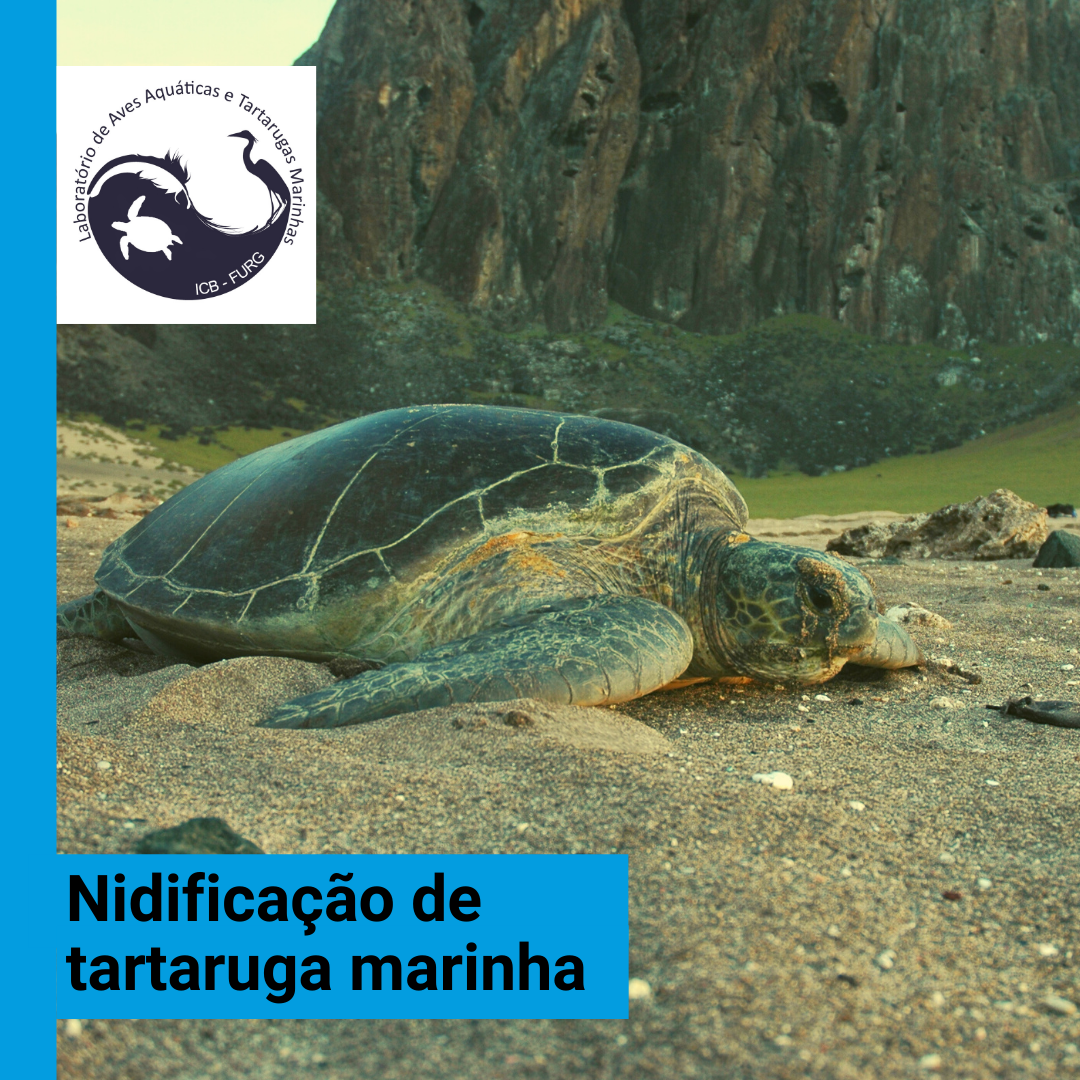
Waterbirds and Sea Turtles Laboratory
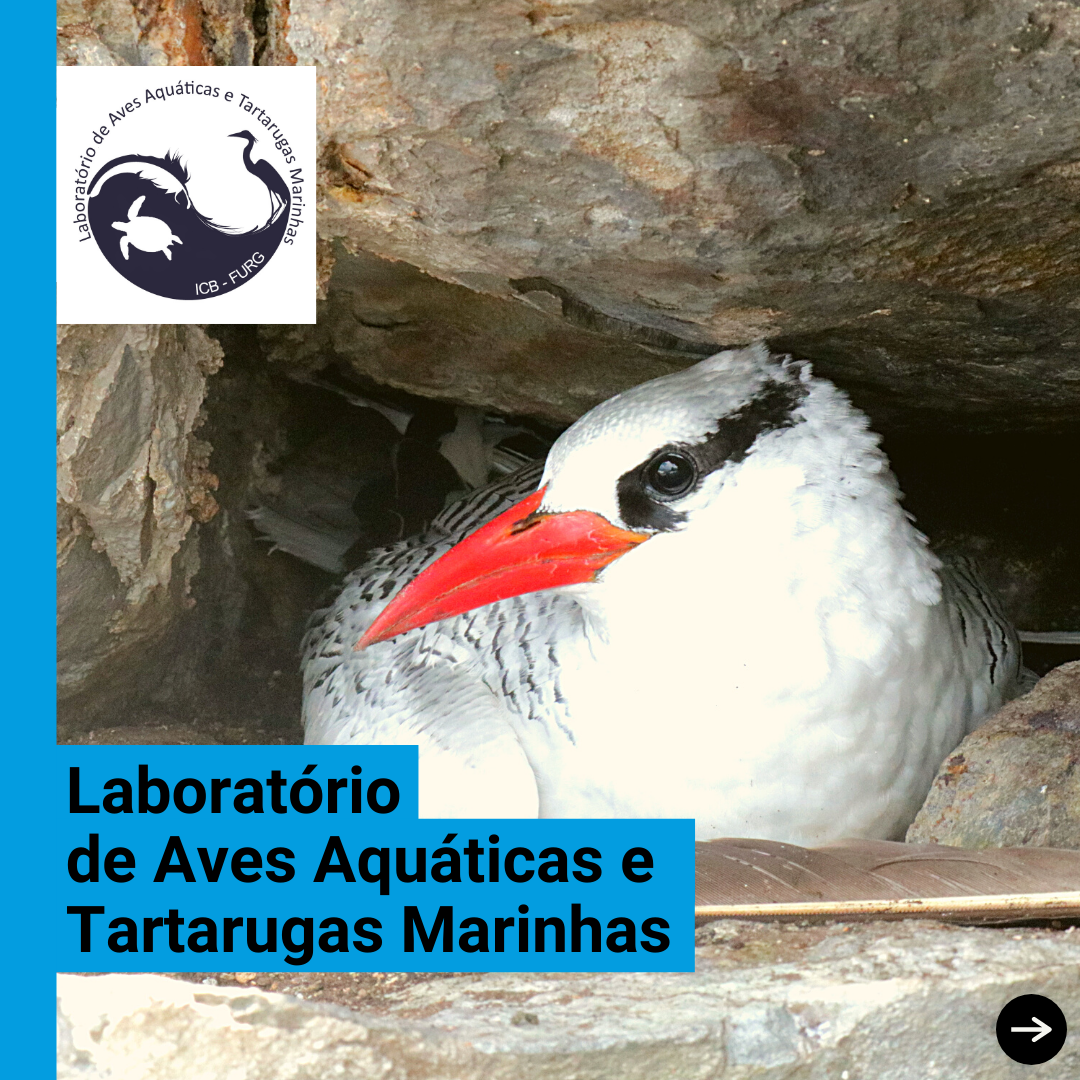
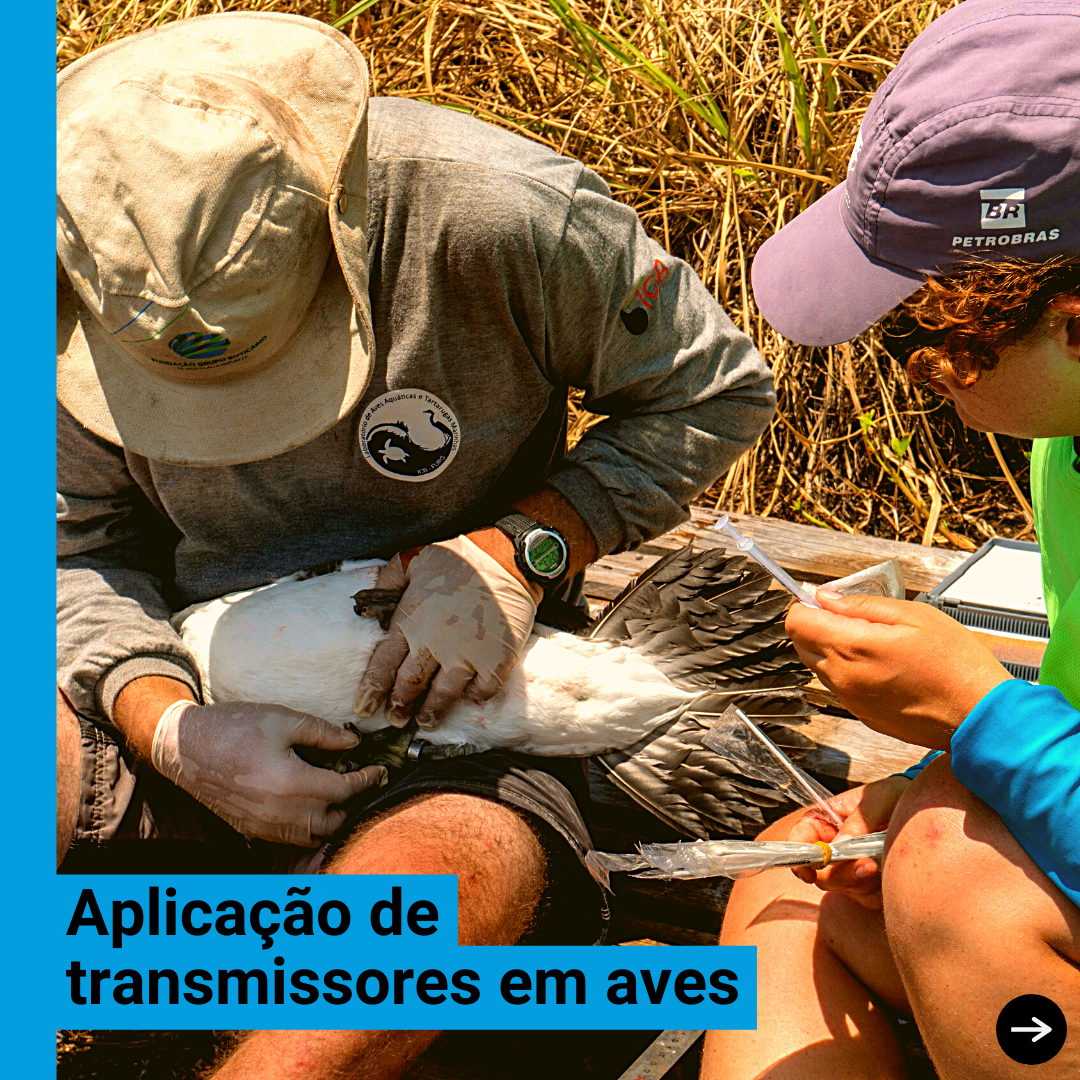
The Waterbirds and Sea Turtles Lab. (LAATM) is located at the Federal University of Rio Grande - FURG, in Rio Grande, RS, Brazil and is led by Prof. Leandro Bugoni. The lab is part of the "Ecology group”, together with the Laboratory of Limnology, of the Institute of Biological Sciences (ICB) at FURG. Together with undergraduate and graduate students, the various aspects of seabird, continental waterbird, and sea turtle ecology are investigated. There is interest in the various aspects of basic ecology (such as trophic ecology, species occurrence), and applied conservation issues (e.g. habitat use, incidental capture in fisheries, and pollutants). Conventional tools (such as stomach contents analysis and taxidermy) are used, as well as innovative and more sophisticated technologies such as stable isotopes, isotope mixing models, and remote sensing tracking. The lab is active in studies at MSc and PhD levels in the Graduate Programs in Biology of Freshwater Environments and Biological Oceanography.
-
03/02/202114h33Notícia
Ecology of Benthic Invertebrates
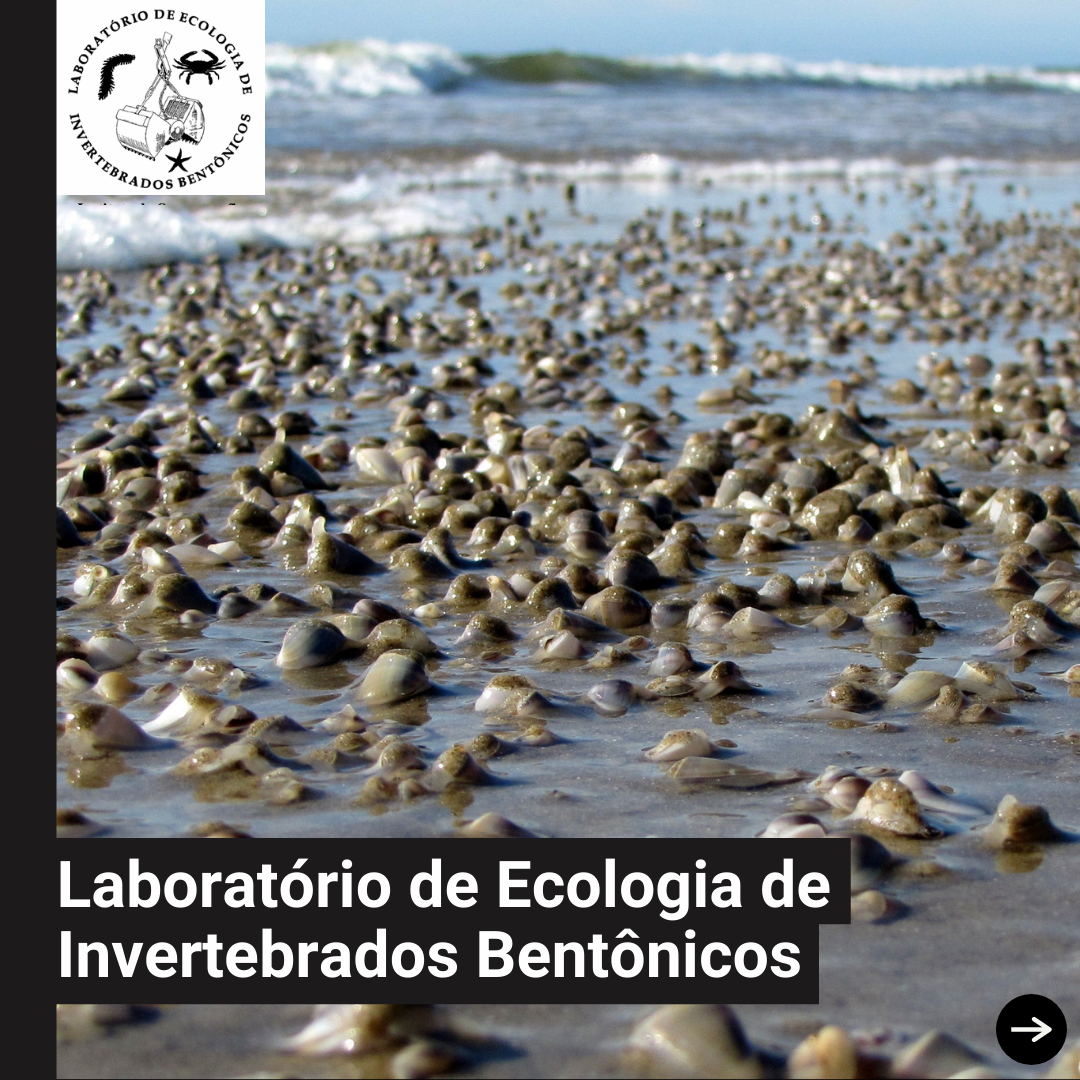
The Laboratory of Benthic Invertebrate Ecology was created in the 1970s, where researchers and professors Dr. Carlos Bemvenuti, Dr. Ricardo Capítoli and Dr. Norton Gianuca worked. Since 2011 it is coordinated by Dr. André Colling.
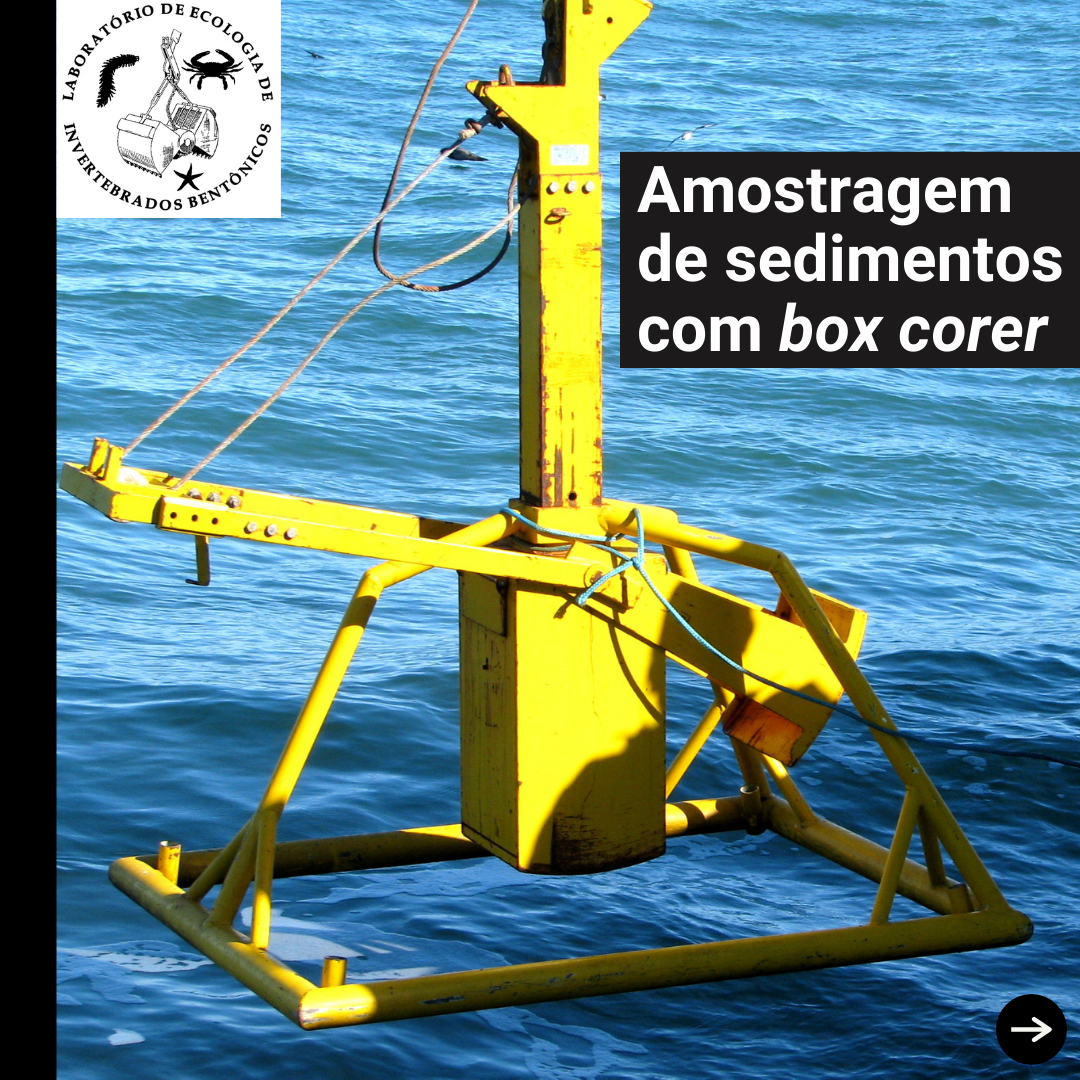
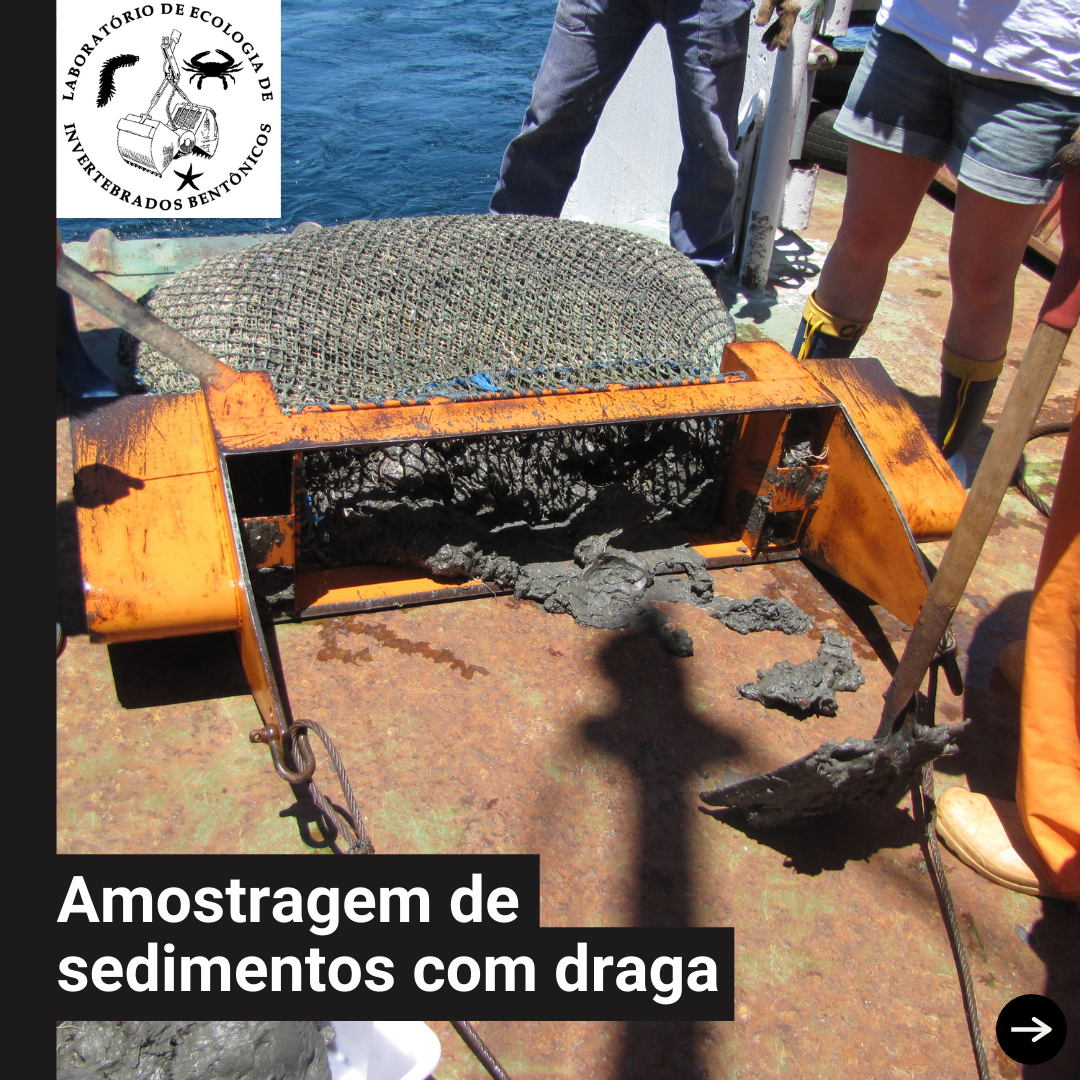
The Laboratory develops research in ecology of sandy beaches, ecology of estuarine environments and continental shelf, investigating how the interactions between invertebrates and muddy, sandy and consolidated substrates occur. Research is focused on understanding how benthic invertebrate species respond to environmental fluctuations and anthropogenic impacts.
The teaching activities are focused on undergraduate studies in Oceanology and Biological Sciences, and graduate studies in Biological Oceanography (Masters and PhD).
To follow more (Instagram): @bentologyfurg
-
03/02/202114h32Notícia
Ecology of Ichthyoplankton

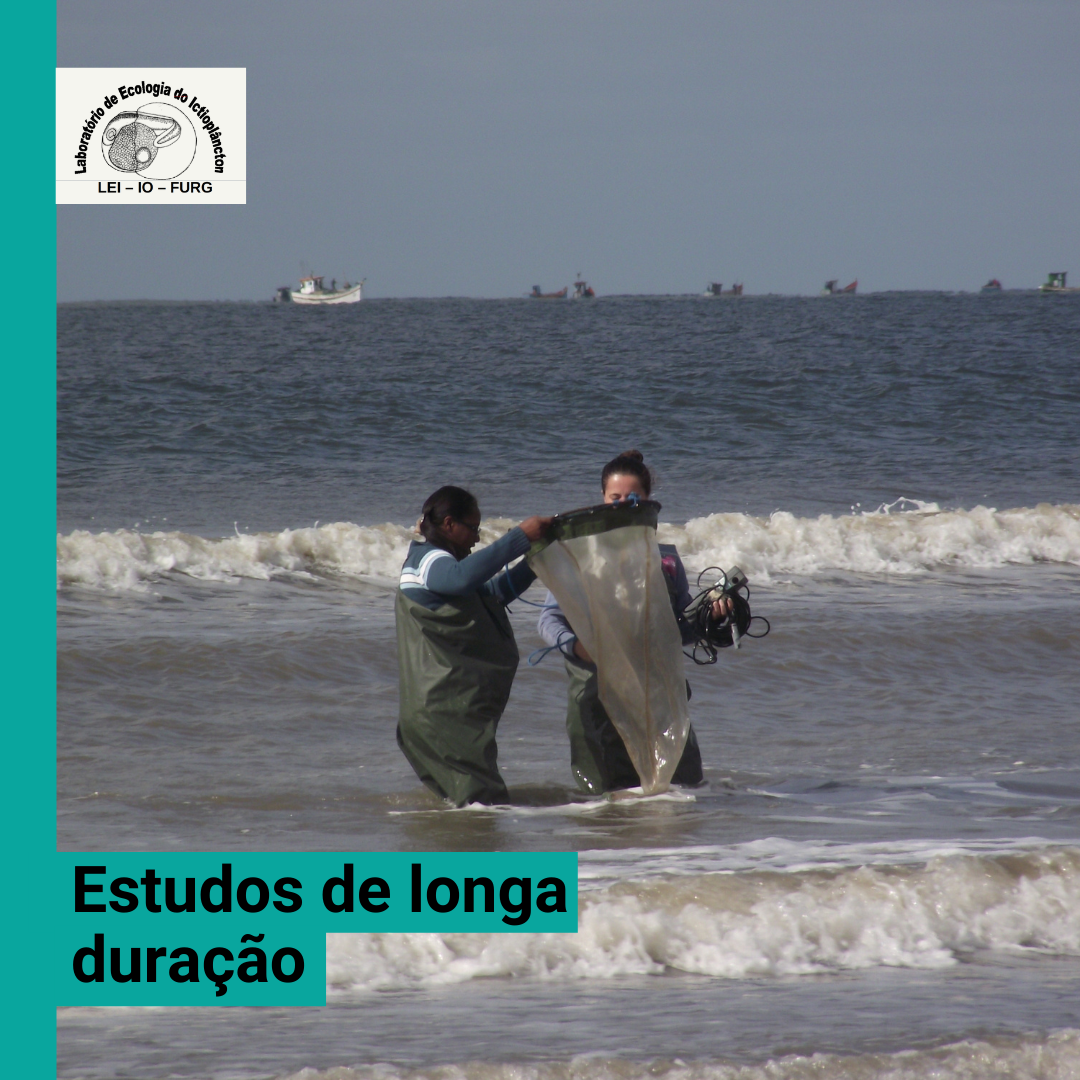
The Laboratory of Ichthyoplankton Ecology (LEI) started its activities in the late 1970s under the coordination of Dr. Graciela Weiss, was led by Dr. Chossi Sinque (1992- 1996) and is currently coordinated by Dr. José H. Muelbert. The group's research activities focus on elucidating aspects of the ecology of estuarine and marine fish eggs and larvae. New directions of LEI seek to increase knowledge through studies of growth, mortality, dispersal and transport, and the effects of climate change. LEI has intense exchange with laboratories in other national and international institutions, and participates in research networks such as the South Atlantic Climate Change Consortium (SACC); the Long Term Ecological Research Program (PELD); the National Institute of Marine Science and Technology (INCT-Mar COI) and the Coastal Zones module of the Climate Network.
Additional information can be found at http://dgp.cnpq.br/dgp/espelhogrupo/
5124668185709329 
-
03/02/202114h30Notícia
Phytoplankton and Marine Microorganisms
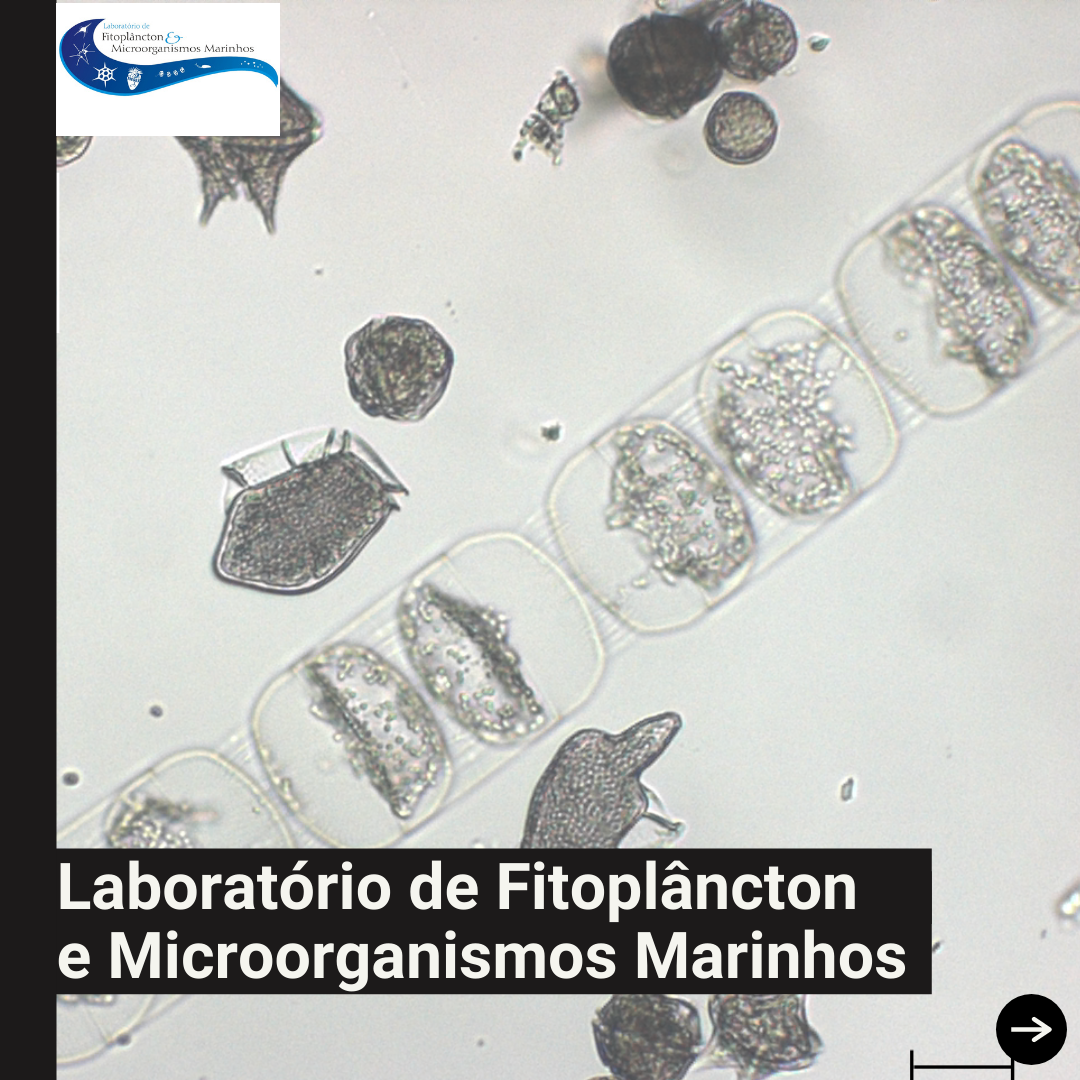
The Laboratory of Phytoplankton and Marine Microorganisms (LabFito) started with professors and doctors Clarisse Odebrecht, Marli Bergesch, Virginia Maria Tavano and Paulo César Abreu, who developed and established research programs of national and international scope, and who were responsible for the training of several professionals specialized in studies on marine, estuarine, and coastal phytoplankton. Currently, LabFito is led by professors Rafael Mendes and Fernanda Giannini who, besides maintaining the high level of quality in teaching and research, have been implementing and establishing new thematic lines, such as chemotaxonomy and bio-optics, applied to the study of phytoplankton.
LabFito participates in several research projects in the area of Marine Phytoplankton Ecology, with special focus on the South Atlantic and Antarctic Peninsula, including coastal regions such as the Patos Lagoon estuary (RS). The LabFito also has an extensive culture collection with several species of microalgae, enabling the conduction of research and laboratory experiments in the area of Ecophysiology.

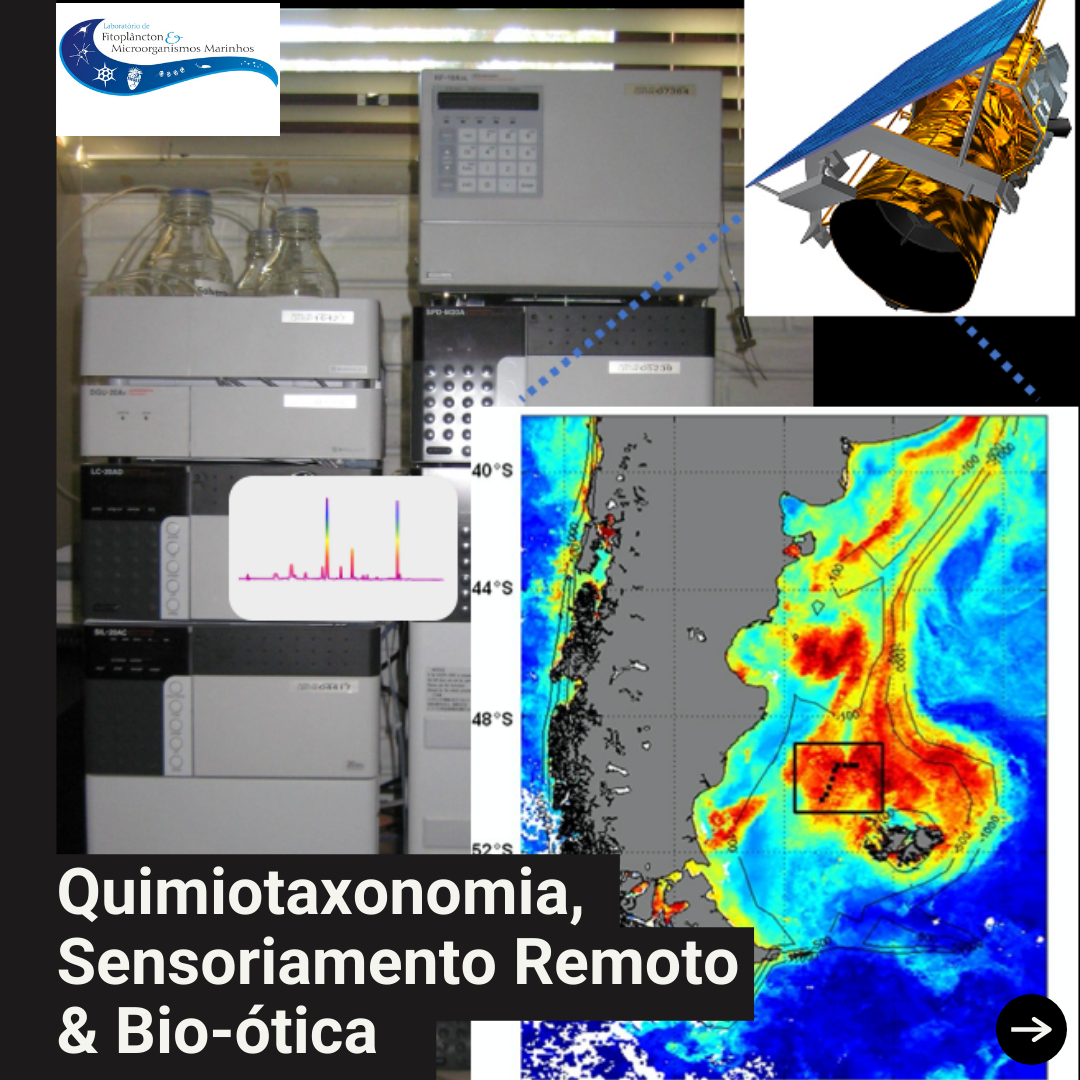
All research and studies are related to the high biodiversity of the phytoplankton groups, using techniques and approaches from the most traditional (microscopy) to the most modern such as Molecular Biology. The teaching activities are focused on undergraduate Oceanology and graduate (Masters and PhD) in Biological Oceanography and Oceanology.
To follow more (Instagram): @labfitofurg