Sem categoria
-
18/05/202117h48Notícia
LEF Ciencias do Mar-I
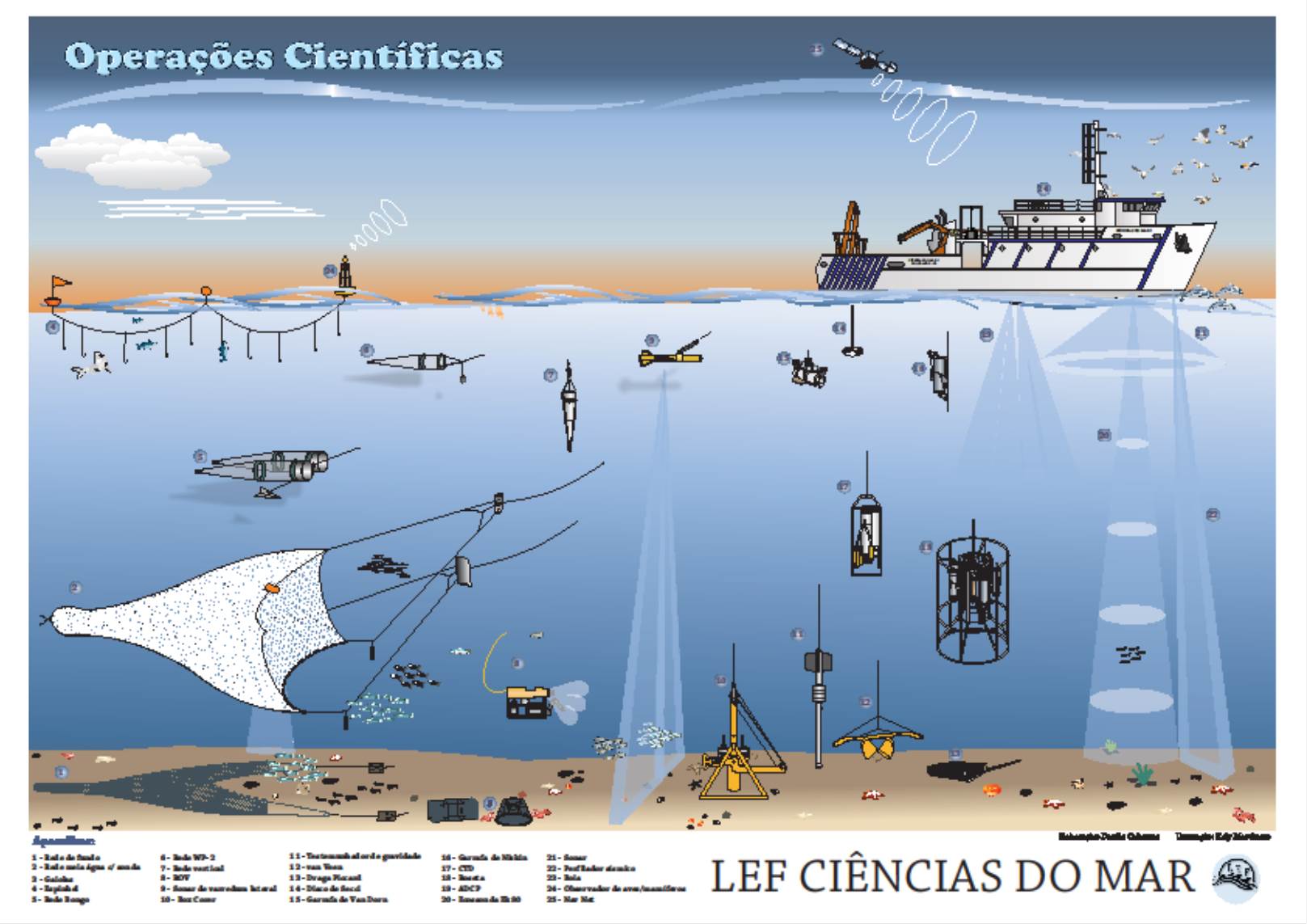
Las actividades de investigación y enseñanza de PPGOB también se llevan a cabo a bordo del Laboratorio de Enseñanza Flotante LEF Ciencias do Mar I, que fue el primero de cuatro barcos fabricados para aumentar la experiencia a bordo de los estudiantes y realizar investigaciones en las cuatro regiones de Brasil. El Ciencias do Mar-I sirve a FURG y otras 7 universidades en la región sur de Brasil.
Construido en el astillero INACE, en Fortaleza (CE), el “Ciências do Mar I” tiene 32 m de longitud total y 7,85 m de ancho, dos motores con 450 BHP de potencia, pudiendo mantener una velocidad de crucero de 10 nudos, con gran economía de combustible.
El buque cuenta con dos laboratorios y toda una gama de instrumentos científicos, con receptores instalados en carenados en la parte inferior del casco, para investigar las capas sumergidas del océano y el fondo marino. Está equipado con cinco cabrestantes y una grúa, de diferentes capacidades, diseñados para lanzar y recolectar colectores de muestras y realizar operaciones de pesca. Dispone de camarotes con capacidad total para la pernoctación de 18 estudiantes y profesores, así como alojamiento para ocho tripulantes.
-
10/02/202117h27Notícia
LEF Ciências do Mar-I (english)
Research and teaching activities in the Graduate Program in Biological Oceanography are also developed aboard the Floating Teaching Laboratory Ciências do Mar-I, which is one of the four research vessels built to enhance students' onboard experience and research throughout distinct Brazilian regions. The "Ciências do Mar-I" serves FURG and 7 other Universities in southern Brazil.
Built at INACE shipyard, in Fortaleza (CE), the "Ciências do Mar I" has a total length of 32 meters and a beam of 7.85 meters, two 450 BHP engines, and can maintain a cruising speed of 10 knots, with great fuel economy.
The vessel has two laboratories and several scientific instruments, with receivers installed in fairings on the bottom of the hull to investigate the submerged layers of the ocean and the seabed. It is equipped with five winches and a crane, of different capacities, for launching and collecting samplers and for fishing operations. It has cabins with total overnight capacity for 18 students and professors, and accommodations for eight crew members.
-
03/02/202120h51Notícia
R/V Atlântico Sul
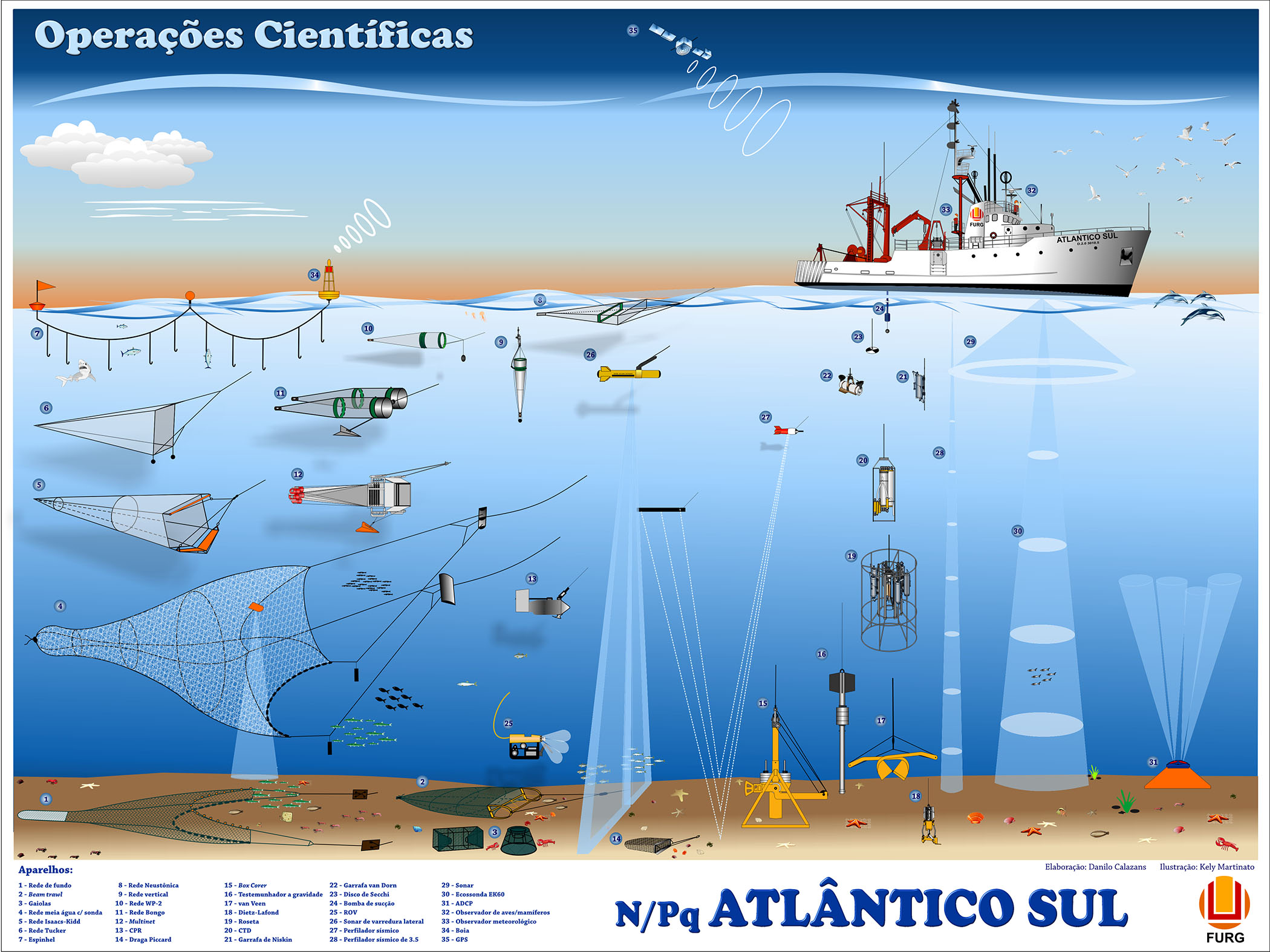
The R/V Atlântico Sul is a trawler-type vessel built in 1976. With 36 m length, 8 m beam and 4.3 m head, it has a crew of 12 people and can house up to 14 researchers. Its maximum draught is 4.5 meters, with a maximum speed of 11 knots, and an autonomy of 25 days at sea. Its hold storages up to 50 m³, the oil tank has a capacity of 120 tons and can carry 38 m³ of water.
The R/V Atântico Sul is capable of performing several research tasks, with one MWM td 440 engine (8810 hp - 870 rpm), 2 auxiliary MWM-229-6 engines (120 hp) and 2 generators (60 KVA, 220 Vac), and can operate several pieces of oceanographic instruments. The fishing winch, with MWM td 232-12 (350 hp) engine, has a drum with a capacity of 2000 m of 3/4" cable. The oceanographic winch, with autonomous hydraulic drive, 4000 m drum of 1/4" cable and speed up to 45 m/min of cable with a load capacity of 1,640 kg. It has an electro-hydraulic trawl-EYE winch, with hydraulically driven net drum for 3000 m of 12 mm cable (coaxial cable).
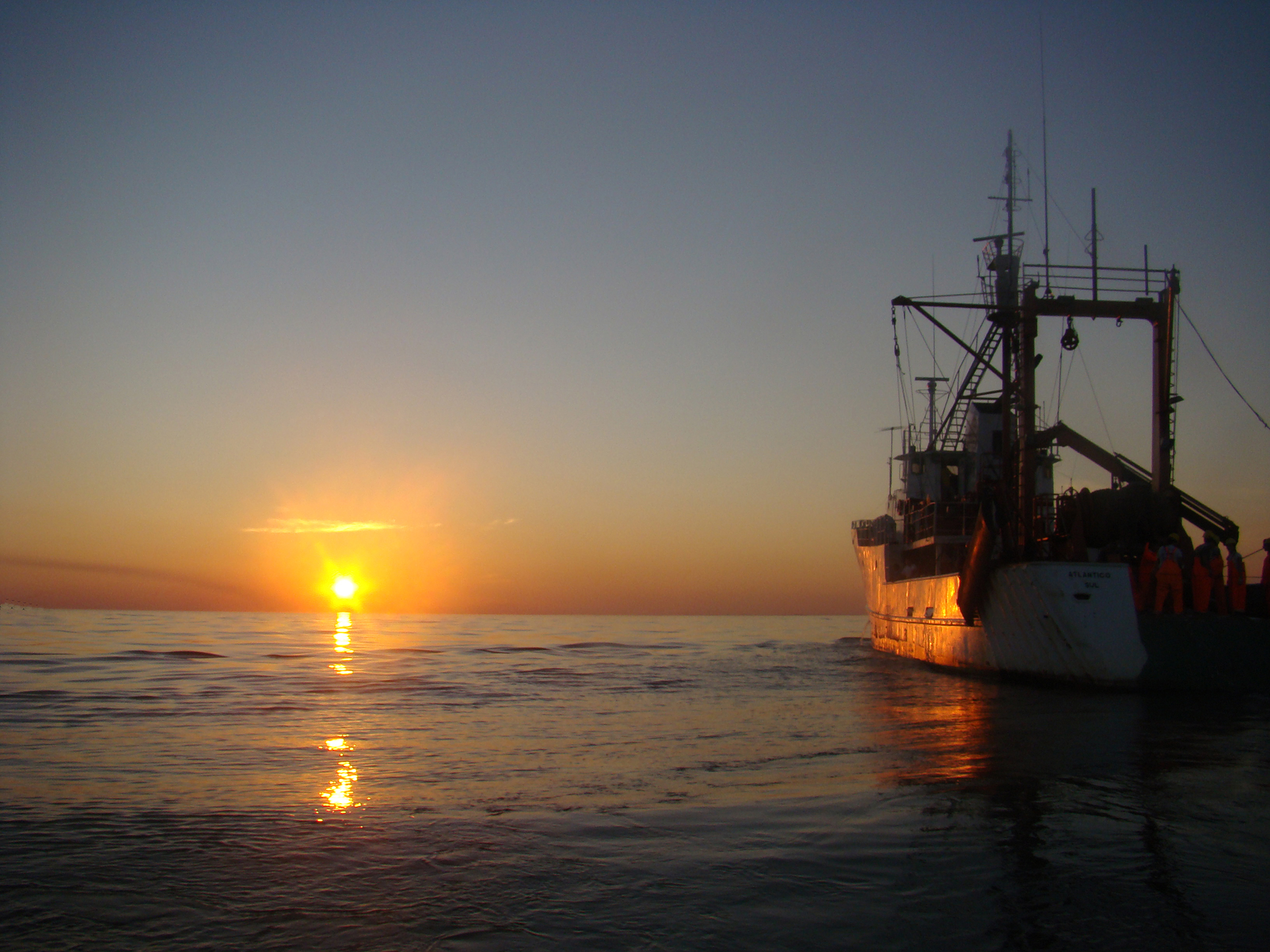
A room with scientific hydro-acoustic equipment (area 8 m²) houses the EK-500 SIMRAD scientific sounding system (38 and 120 Khz), and the MKT-21 seawater thermograph (Murayama Denky). The wet lab (16 m²) allows for sample treatment, filtration, and processing of newly collected material. The dry lab (12 m²) enables the installation of computers and other equipment for data collection. Besides the scientific equipment, the R/V Atlântico Sul has the following fishing equipment: trawl-EYE system; EQ-100 SIMRAD 49 Khz probe; ES 700 SIMRAD 70 Khz probe; SL 490 SIMRAD 49 Khz sonar.
In 2012 the INCTMar-COI proposal, led by PPGOB´s faculty members, was approved at the National Council for Scientific and Technological Development (CNPq). Part of the funding resources is being used for a significant revitalization of the vessel, including engine refurbishment and acquisition of oceanographic instruments, such as a rosette with 24 metal-free bottles for water sampling.
-
03/02/202114h59Notícia
Marine Aquaculture Station
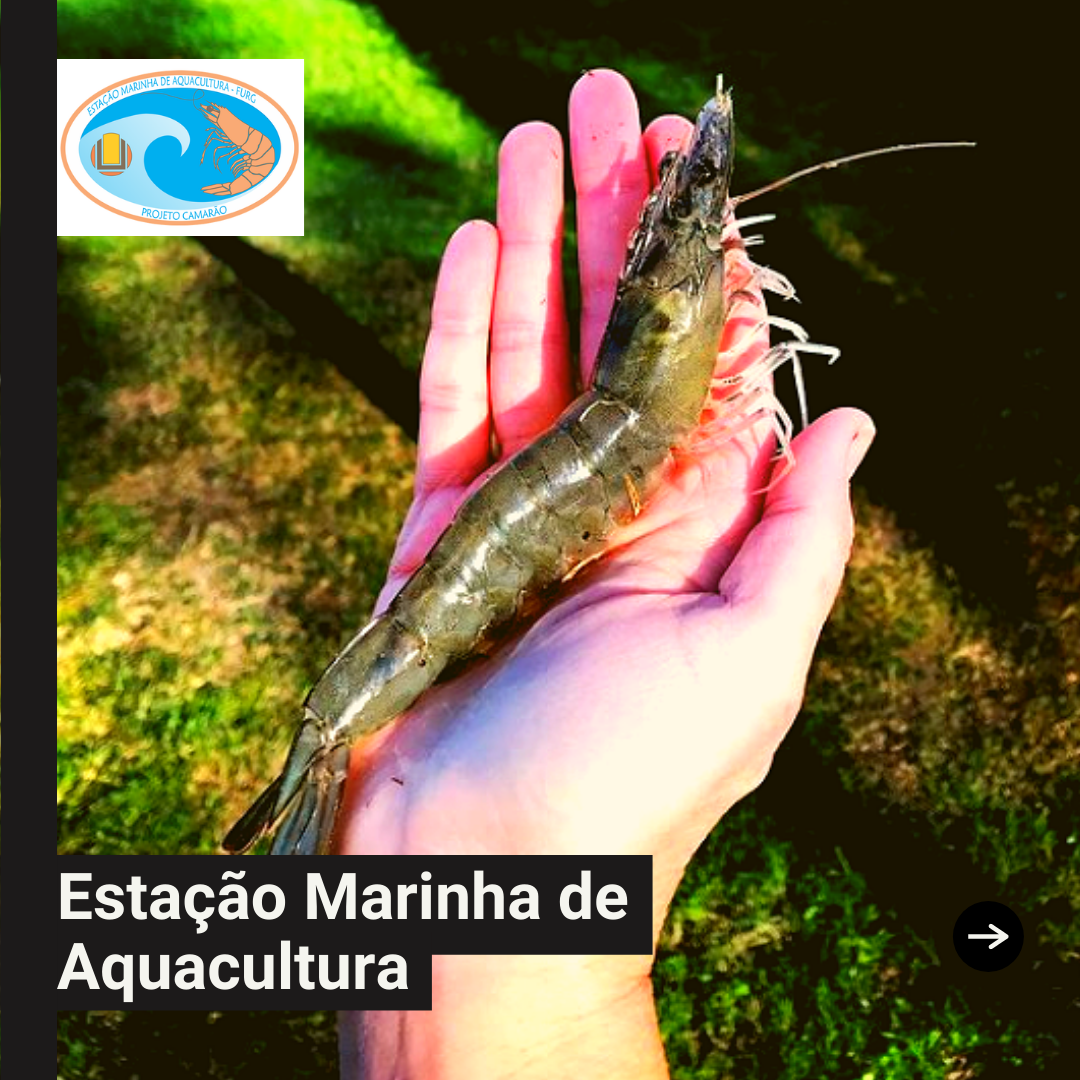
The Marine Aquaculture Station "Prof. Marcos Marchiori" (EMA), of the Oceanography Institute of FURG, was inaugurated in 1990. In it, Prof. Dr. Wilson Francisco Britto Wasielesky Junior is responsible for the Carcinoculture Laboratory and the coordination of the Shrimp Project, besides acting in teaching, extension, and undergraduate and postgraduate research.
The main related research lines are: 1) Production of Aquatic Invertebrate Organisms and Primary Producers; and 2) Applied Biotechnology and Aquaculture.
In terms of cultivation, the shrimp group is particularly investigated, since research and studies on these animals can also supply local, regional, and national socio-economic demands.
It is active in the Graduate Program in Biological Oceanography (PPGOB) and in the Graduate Program in Aquaculture (PPGAqui), both at the master's and doctorate levels.
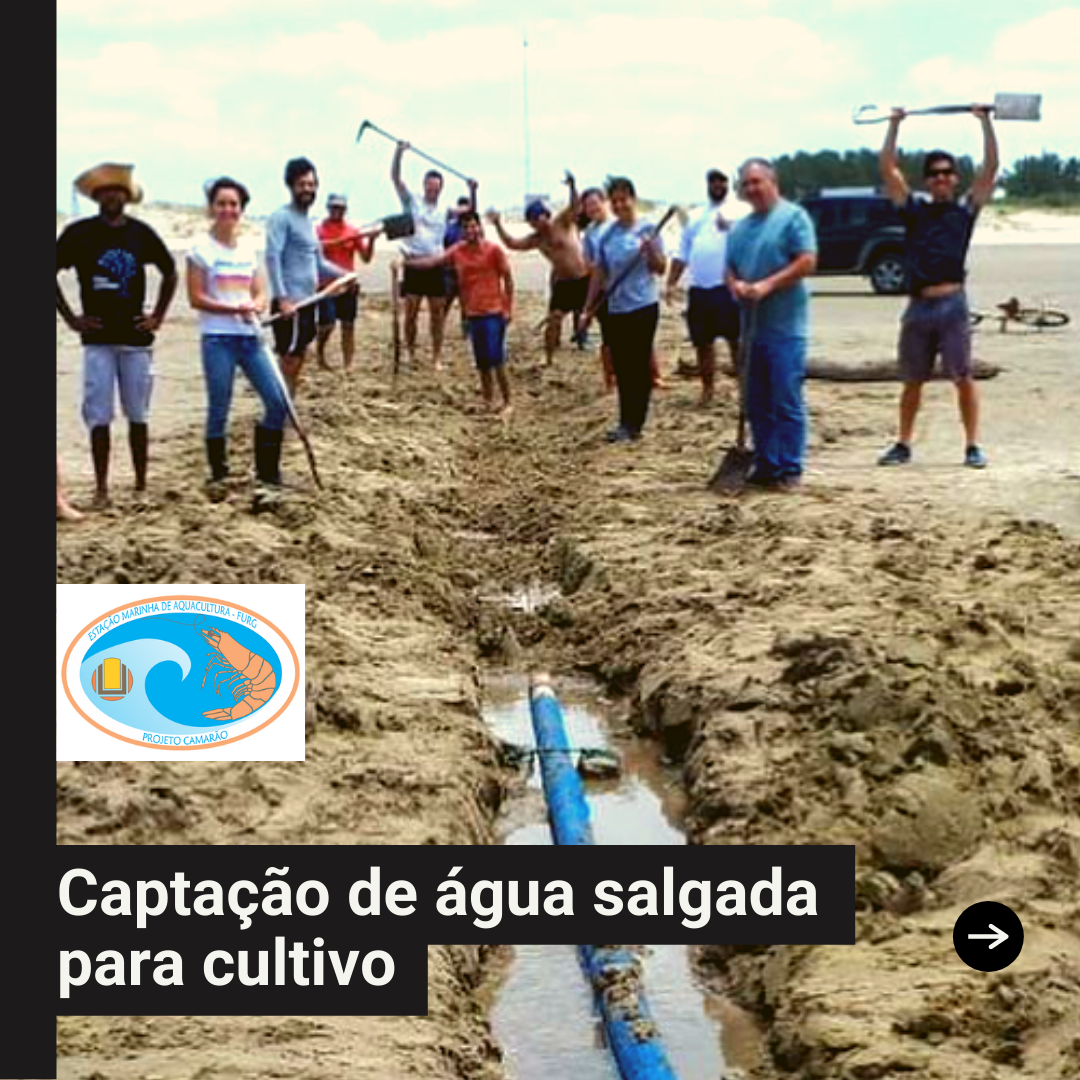
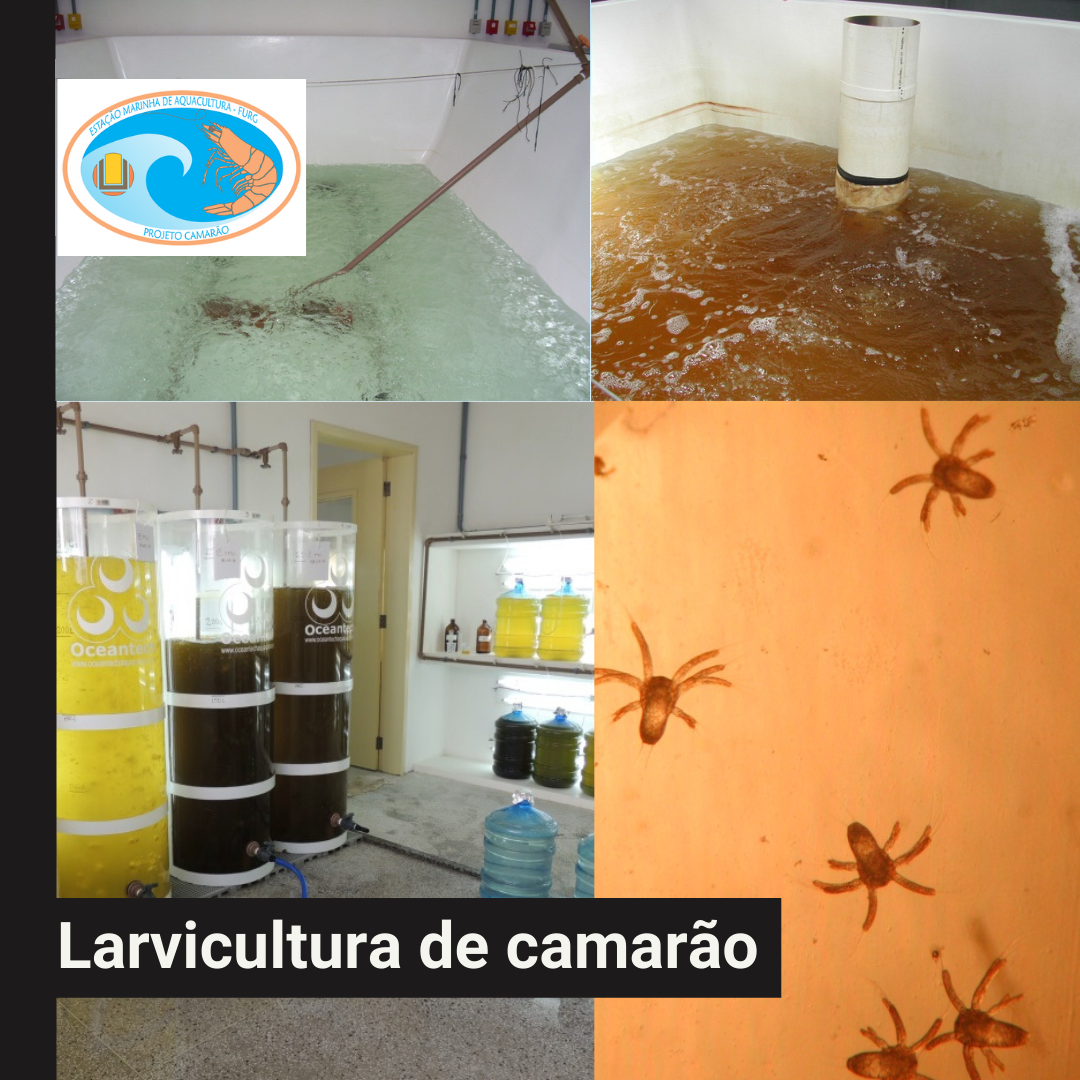
It is active in the Graduate Program in Biological Oceanography (PPGOB) and in the Graduate Program in Aquaculture (PPGAqui), both at the master's and doctorate levels.
-
03/02/202114h59Notícia
Physiological Sciences

The research group led by Prof. Adalto Bianchini at the Federal University of Rio Grande - FURG, in Rio Grande, RS, Brazil, works in the lines of Physiological Effects of Pollutants, Osmoregulation and Excretion, and Biomarkers and pollution monitoring in aquatic environments.
This group works mainly in the multi-user laboratories of the "Physiological Sciences" building in the Institute of Biological Sciences (ICB) at FURG. Our work is concentrated in the Toxicology, Determinations, Functional Biochemistry, Flowmetry and Animal Facility laboratories.
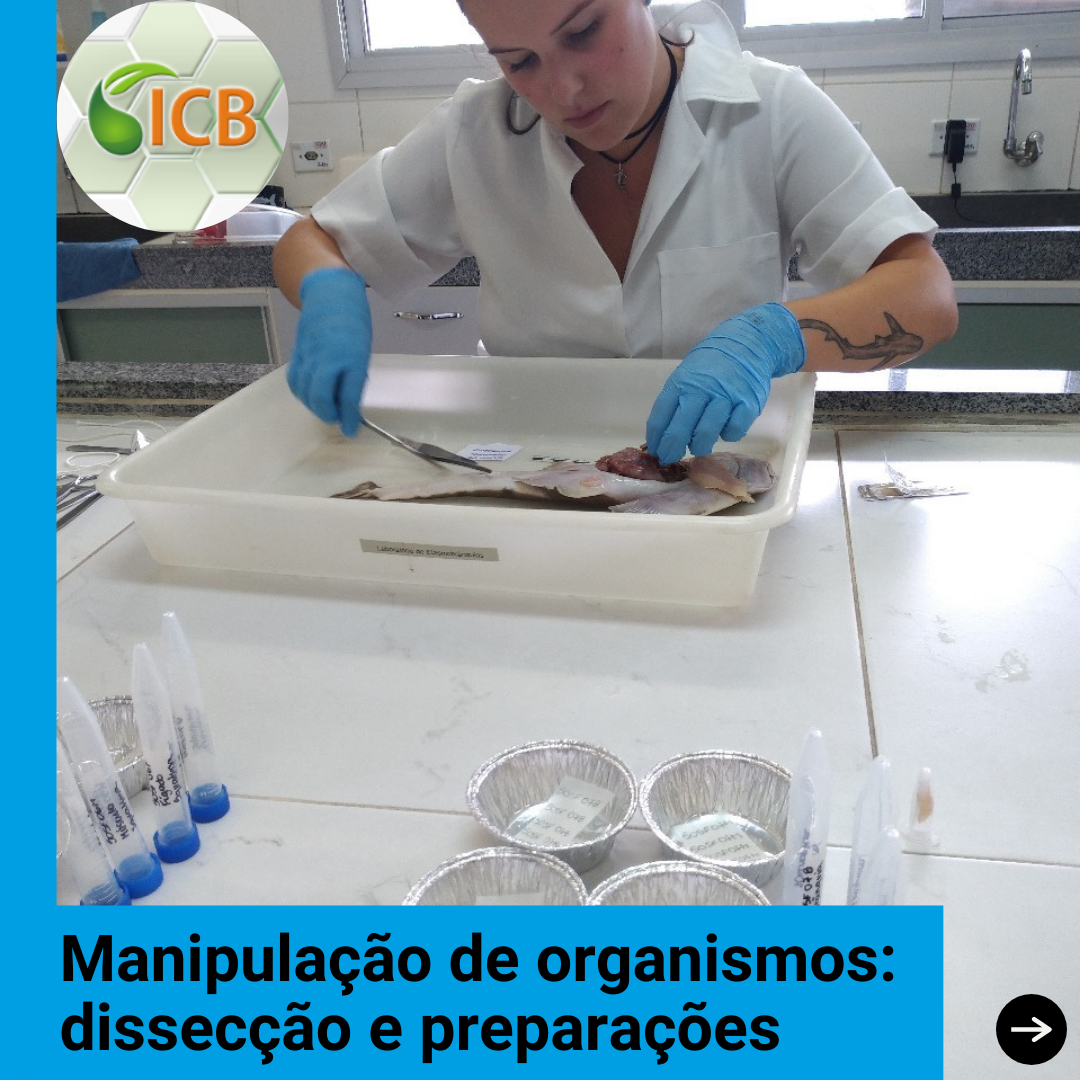
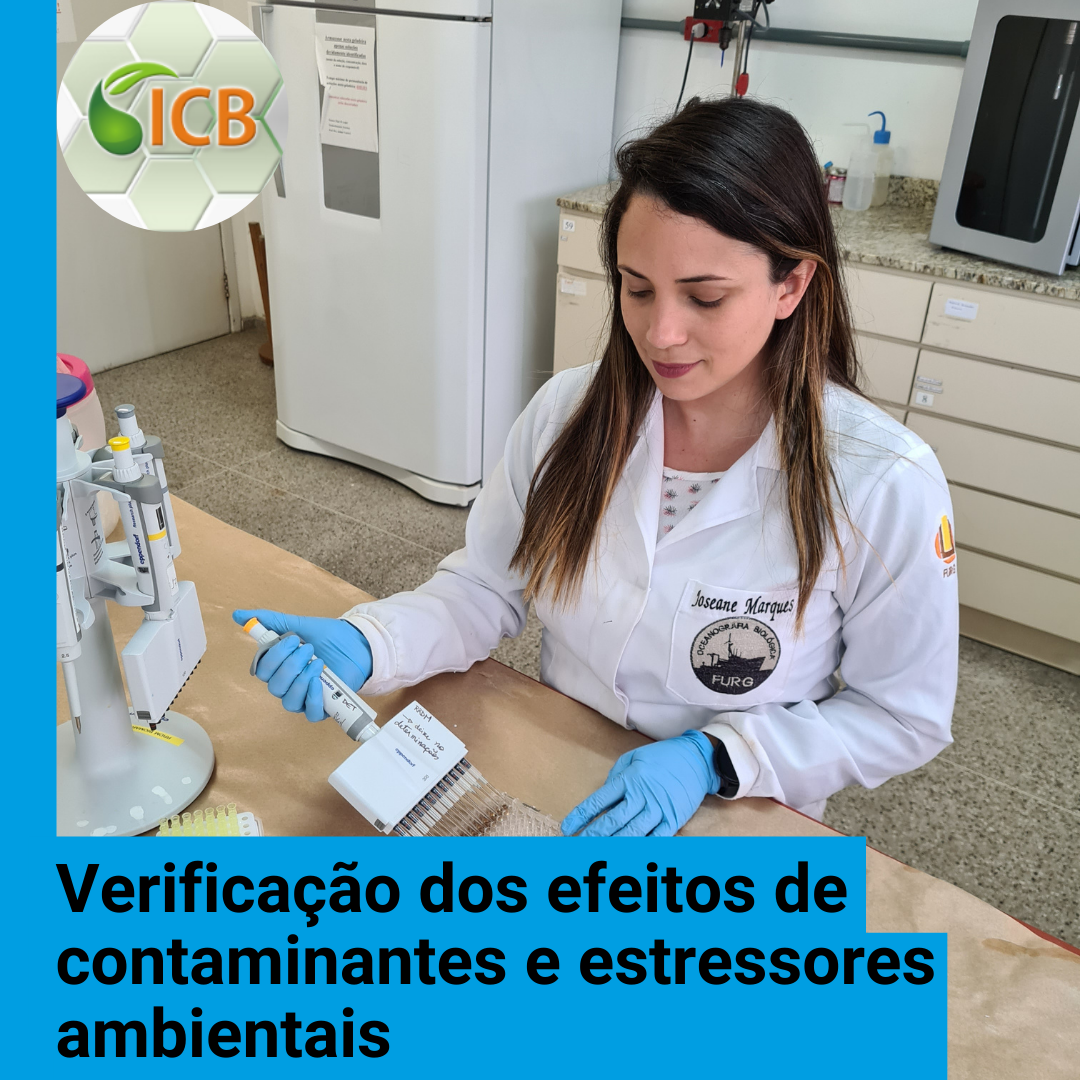
Studies focus on the effect of stressors (natural or man-made) such as salinity variation, global warming, or the presence of contaminants on the physiology of aquatic organisms. In addition, there are also "applied" issues, such as the identification of biomarkers of stress for use as an environmental assessment tool. Various approaches are used, such as laboratory experiments, mesocosm experiments, and field work!
It is active in the Graduate programs (M.Sc. and Ph.D. levels) in Physiological Sciences and Biological Oceanography.
-
03/02/202114h58Notícia
Chondrichthyes
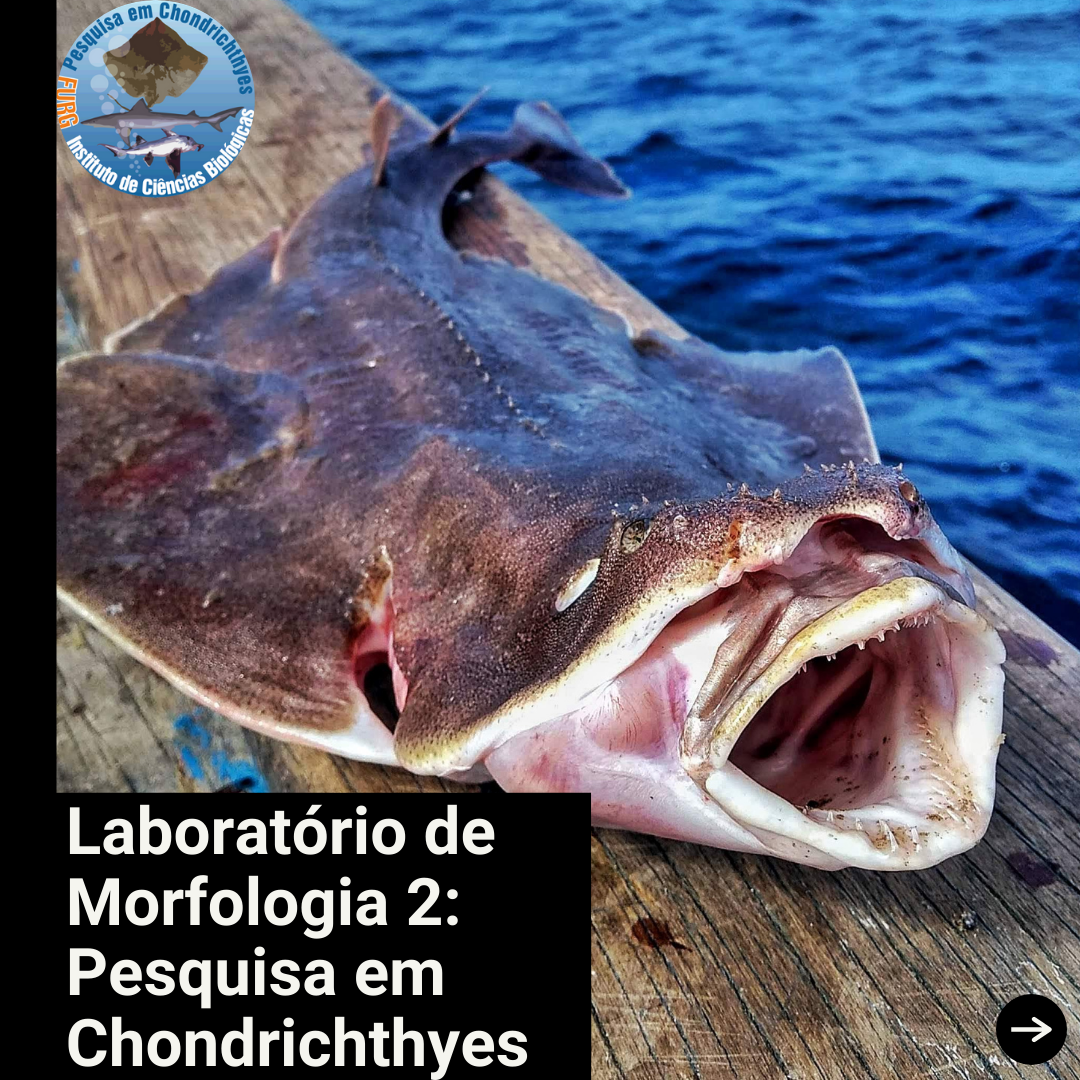
The study of sharks and rays has been a differential at FURG since the 1980s, attracting students and researchers from all over the world. Currently, the Chondrichthyes Research Center is located in the Morphology Laboratory 2, and is coordinated by Professor Maria Cristina Oddone, from the Morphology Sector (ICB).
Ongoing research projects are related to the following major areas: Developmental Biology (Embryology), Reproductive Biology, Taxonomy, Morphology, Phylogeny, and Fisheries and Conservation of Chondrichthyes.
The undergraduate and graduate students have the opportunity to do field and laboratory work, and also to participate concomitantly in the ongoing Extension projects, such as the Backpack Sharks project, oriented to the Initial Education of schools in the city of Rio Grande; and the collaboration project with the Military Brigade Environmental Command (PATRAM), related to the study of specimens from fishing seizures of endangered species.


First photograph (top): angel shark [Many thanks to @talleslisboa]
-
03/02/202114h57Notícia
Aquatic Toxicology

The research group led by professor Juliano Zanetti works mainly in the multi-user laboratories of the Physiological Sciences building (ICB-FURG).
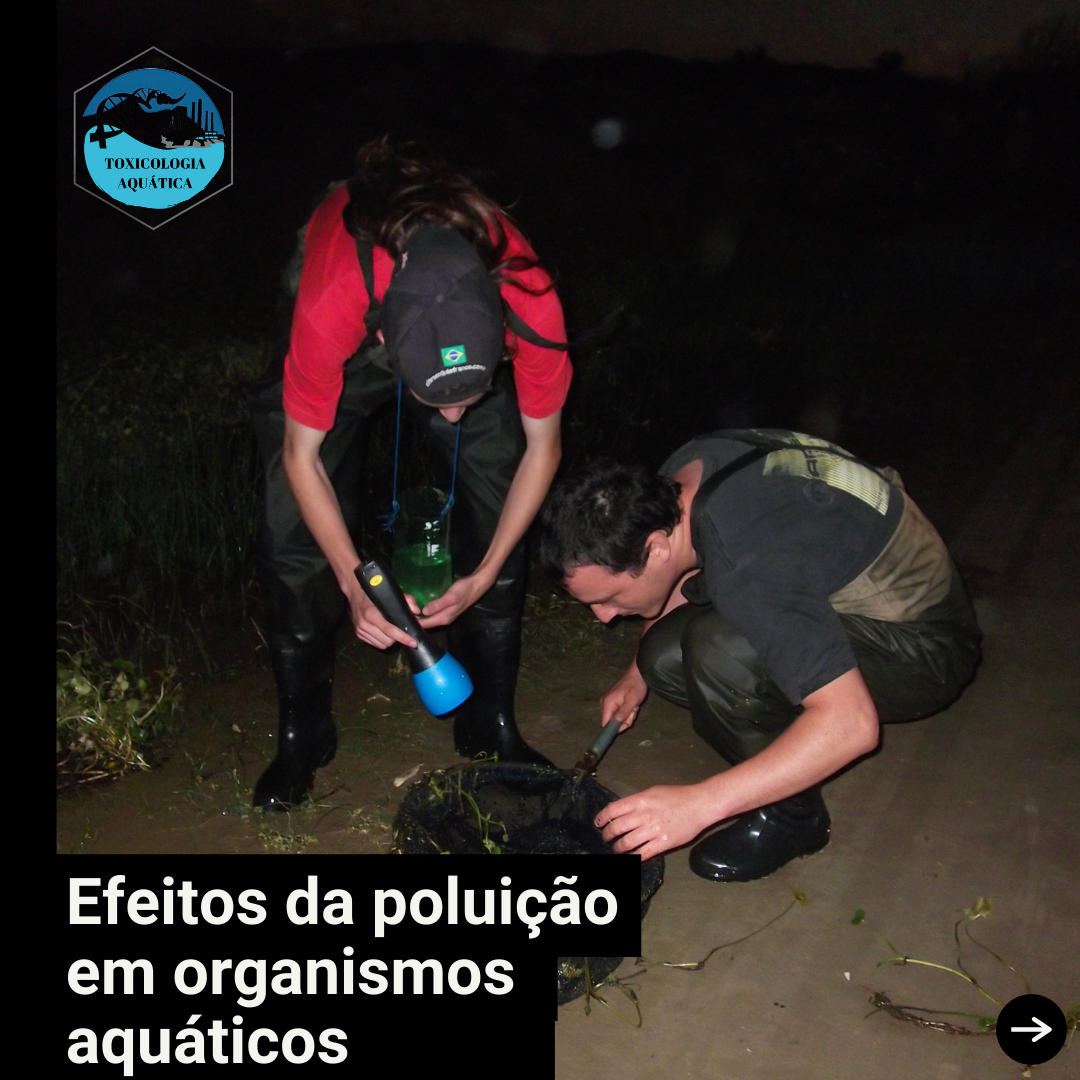
The group initially developed several studies with the so-called Environmental Biomarkers. Currently, the research goes beyond this line of work, encompassing other major topics such as the effects of pollution on aquatic organisms and studies on the adaptation of aquatic biota to pollution.
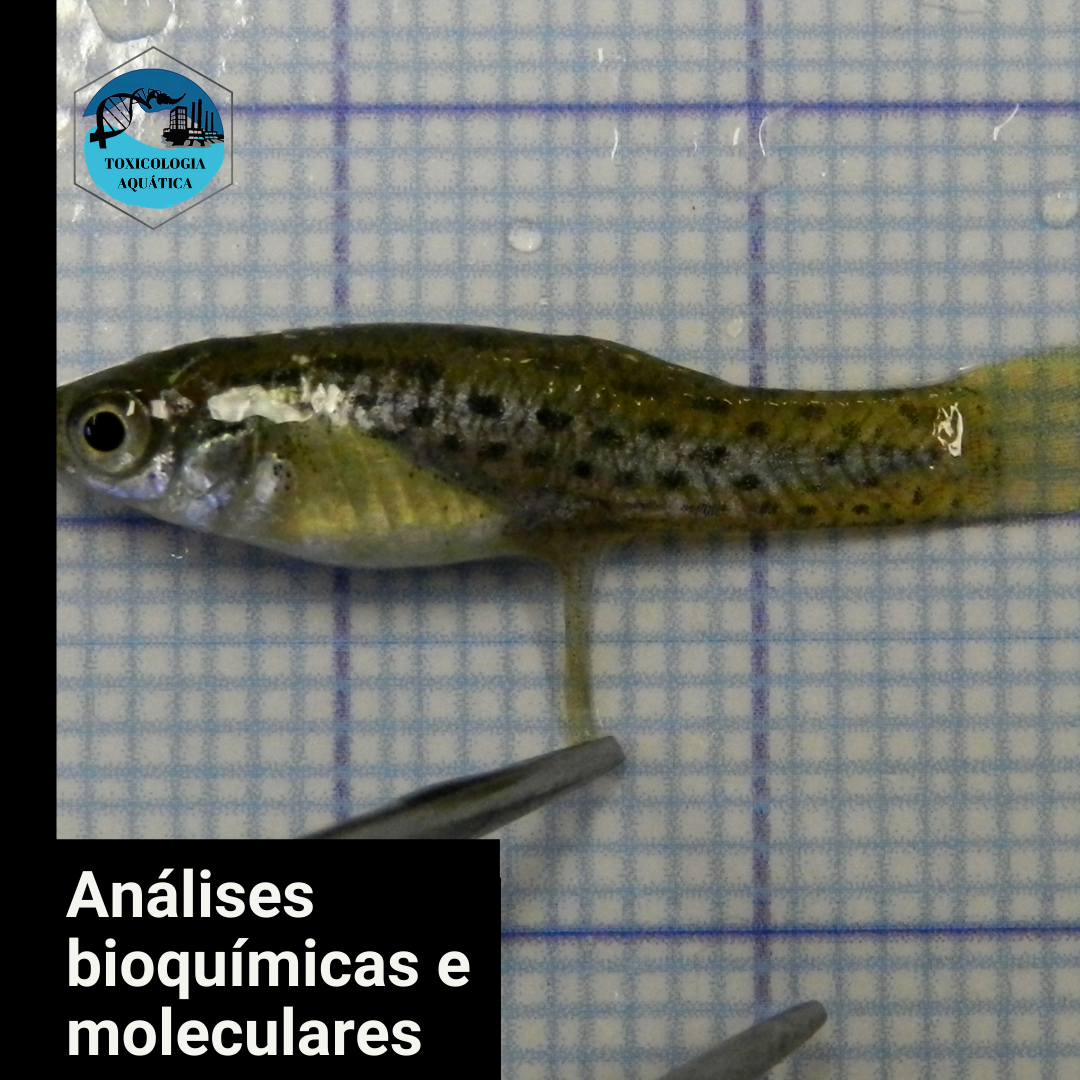
Thus, the group promotes teaching and research activities in Aquatic Toxicology. Both undergraduate and graduate students can participate in field collection and get involved in laboratory analysis of biochemical and molecular samples.
-
03/02/202114h54Notícia
Environmental Statistics
PhD professors Paul G. Kinas, Juliano Marangoni and Raquel da Fontoura Nicolette are part of the Environmental Statistics Laboratory (LEA) of the Institute of Mathematics, Statistics and Physics - FURG.
In LEA, in-depth research on statistical analysis and modeling of environmental phenomena is conducted. In these researches, it is sought to obtain improvements in the methodologies of analysis aiming to adapt general statistical models to the particularities of the studied phenomena.


To this end, both conventional frequentist methods and the Bayesian approach are used, solving problems in quantitative ecology, time series, conservation biology and fisheries biology. The LEA is also responsible for collecting and systematizing data on the artisanal fisheries production in the Patos Lagoon estuary and on the industrial ocean fishing unloaded at the fishing terminals of Rio Grande, producing periodical Statistical Bulletins on the fishing activity in the region. The LEA provides statistical advice to a wide variety of research projects, dissertations and thesis, including those in the PPGOB.
-
03/02/202114h53Notícia
Marine Molecular Ecology
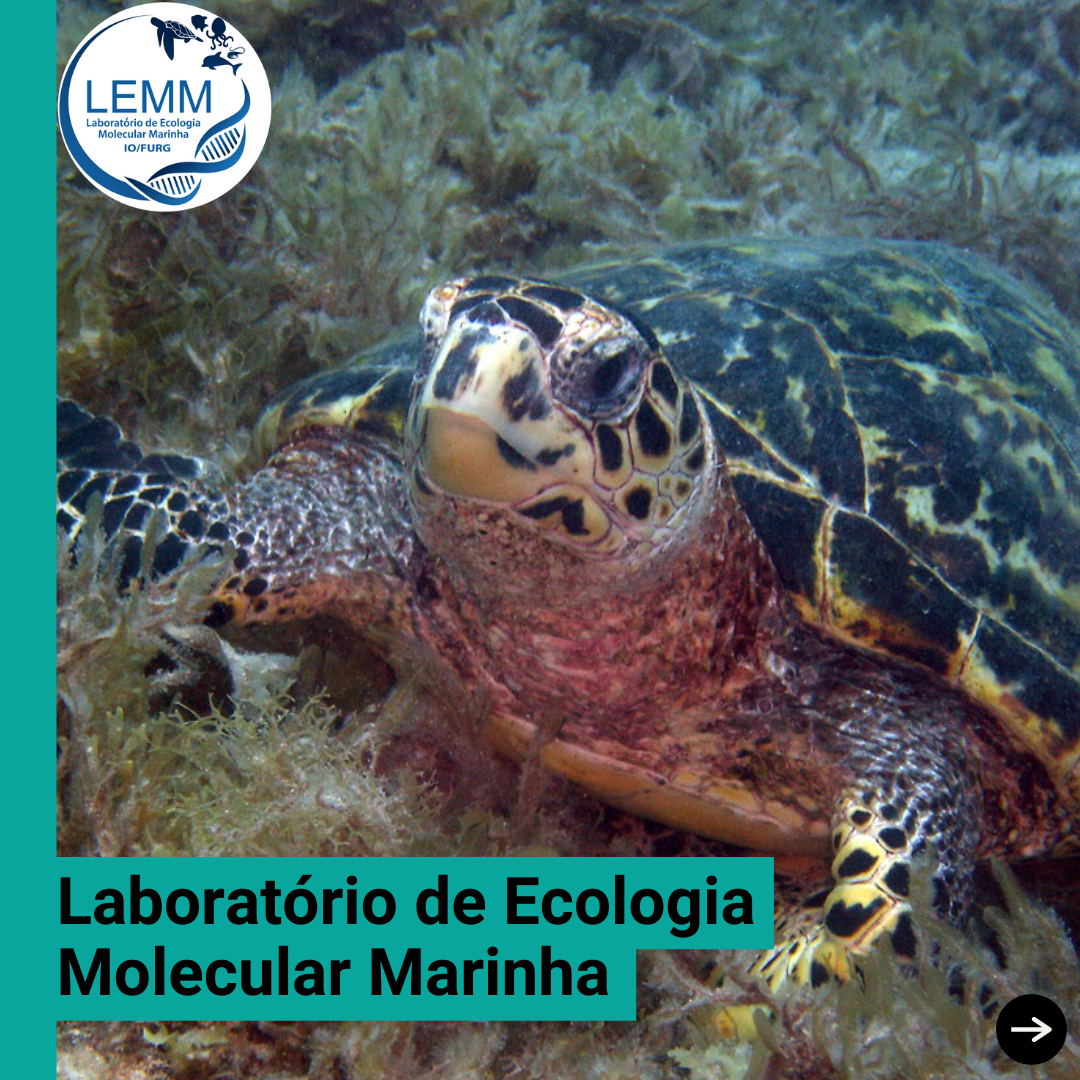
The Marine Molecular Ecology Laboratory of IO/FURG was created in 2015 by its coordinator Prof. Maíra Proietti to use genetic tools to elucidate biological and ecological aspects of marine organisms. The main lines of research are phylogeny and molecular taxonomy, genetic identification of species, population genetics, and evaluation of biological characteristics of organisms.
Additionally, this laboratory hosts the Marine Debris Project (@projeto.lixomarinho), dedicated to research activities about the distribution, characteristics, and impacts of litter at sea, as well as outreach activities on the subject.
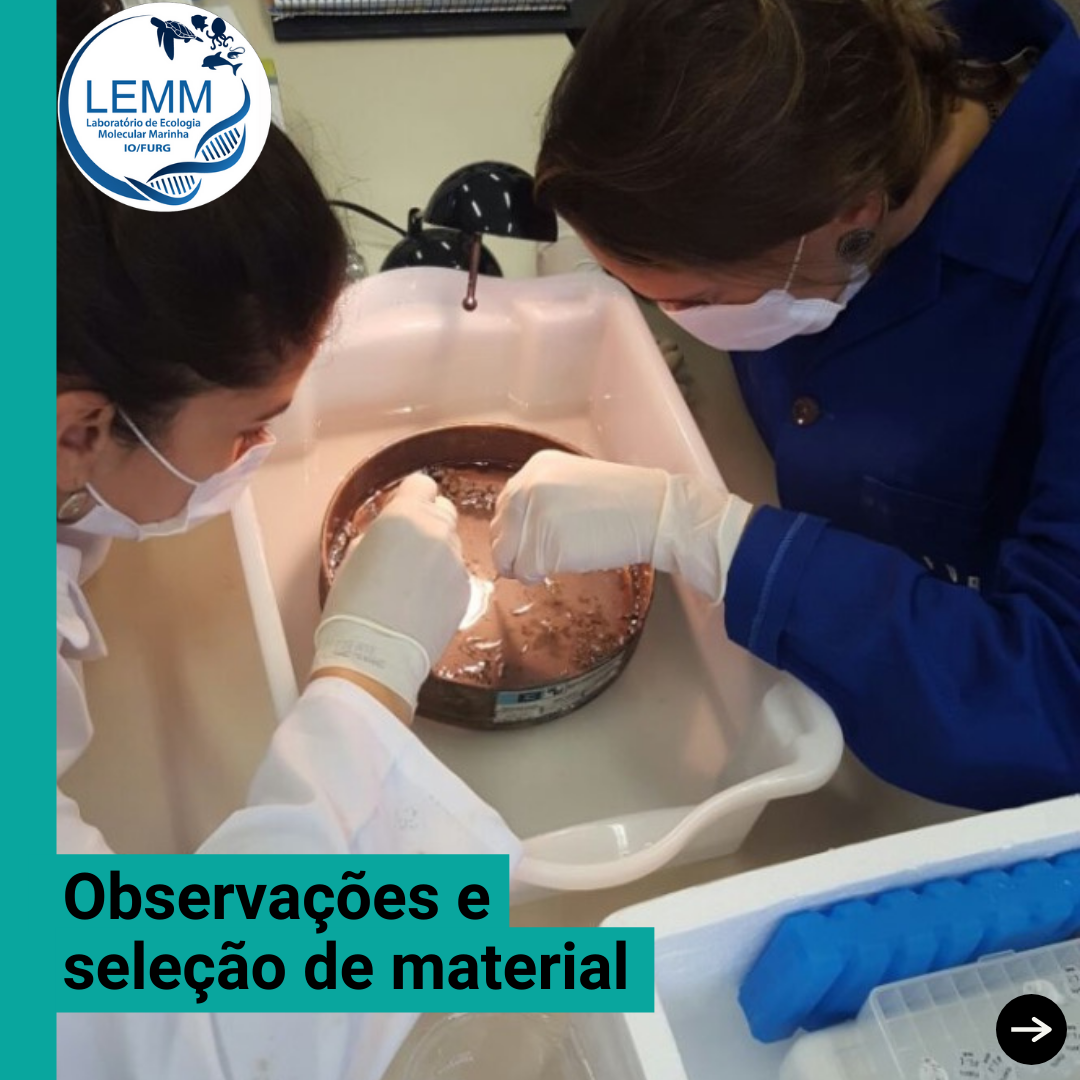
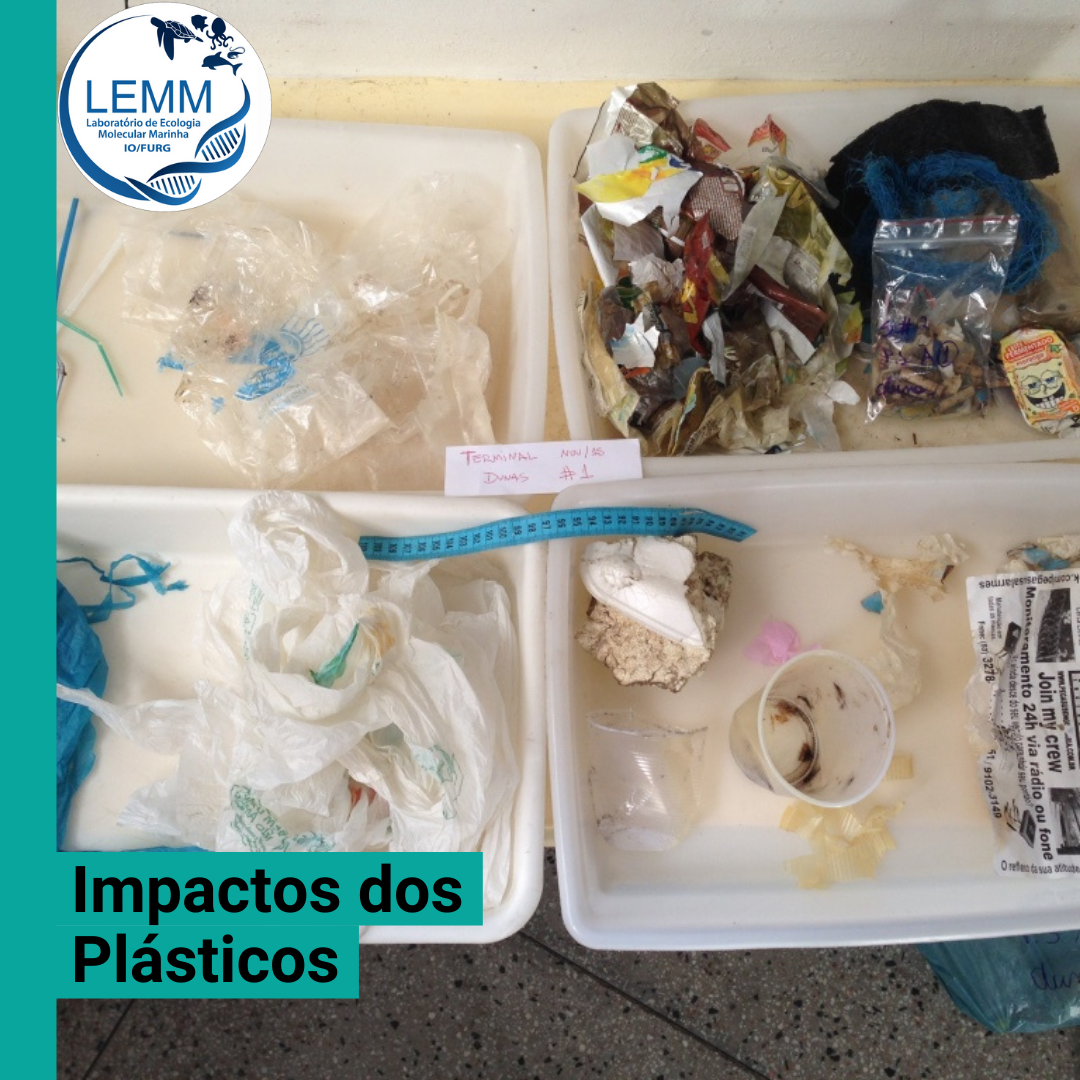
Undergraduate, graduate and post-doctoral students work in the lab, and the teaching activities are focused on Oceanology undergraduate and graduate students in Biological Oceanography (Masters and Ph.D. levels).
-
03/02/202114h50Notícia
Cyanobacteria and Phycotoxins
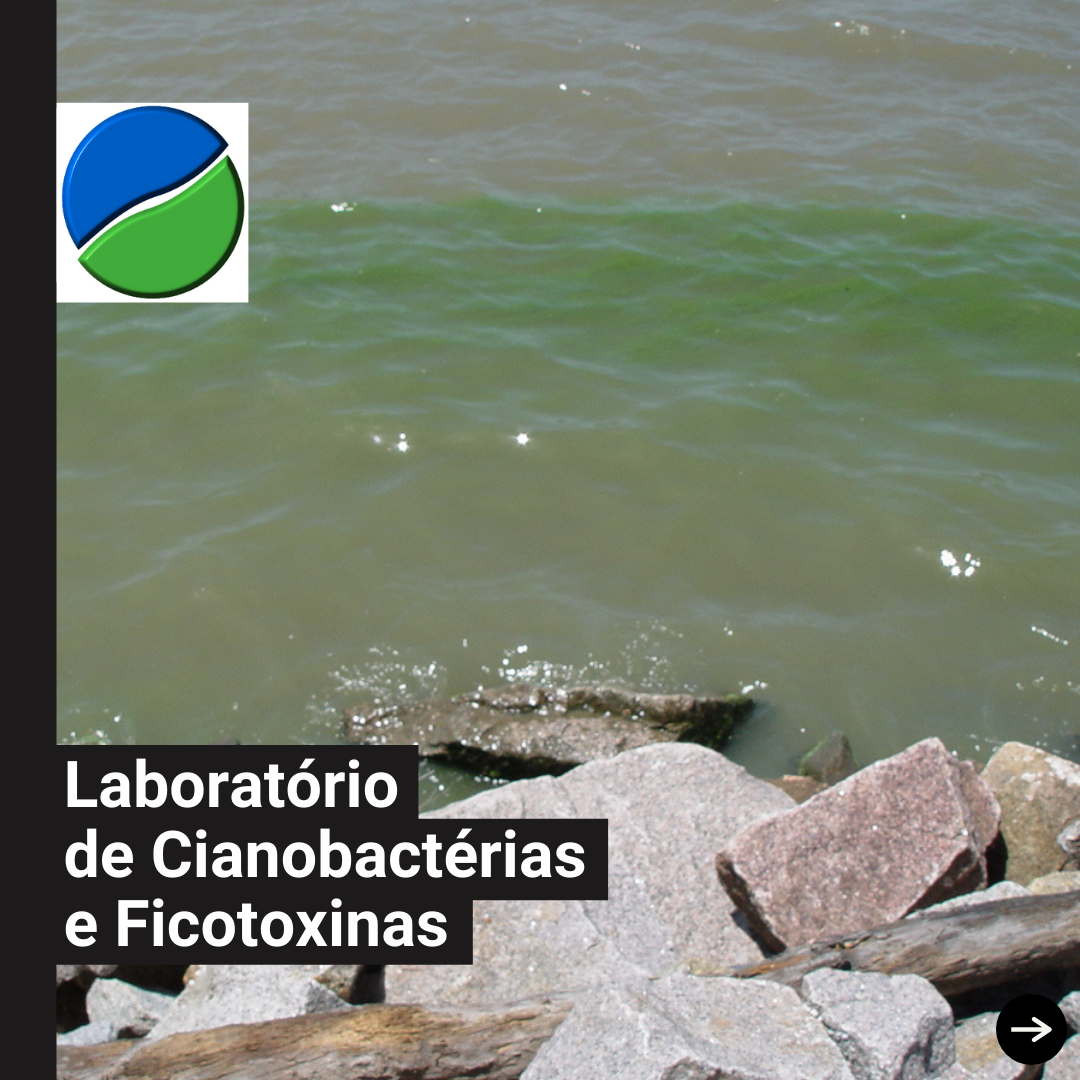
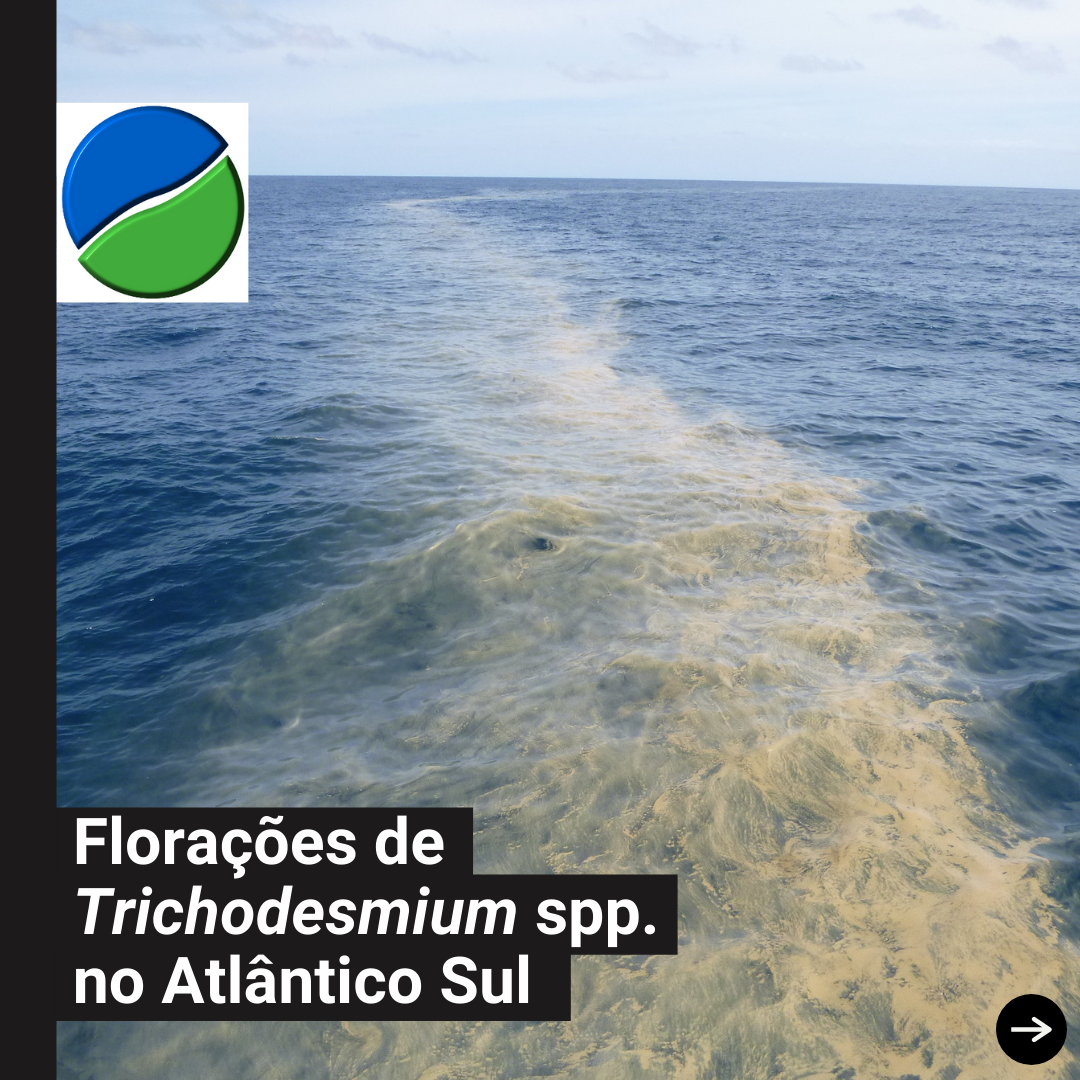
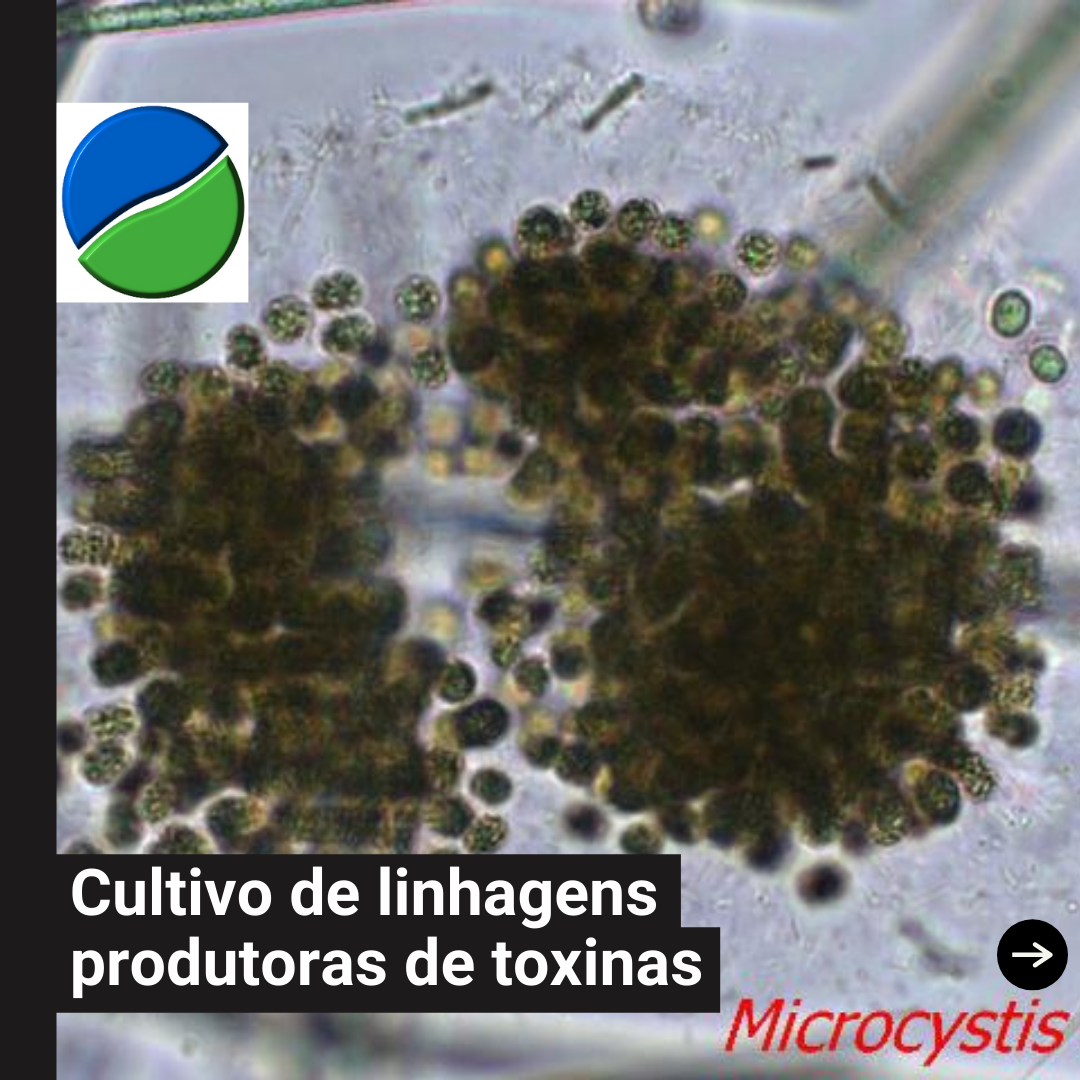
The Laboratory of Cyanobacteria and Phycotoxins (LCF), formerly the Cyanobacterial Research Unit (UPC), was created in 1986 and since then has interacted with the community through training, teaching, research, and extension. It is active in different lines of research such as biochemistry, ecotoxicology, physiology and ecology of cyanobacteria, as well as laboratory experiments and studies on phycotoxins (phytoplankton and cyanobacteria), animal and environmental health, interaction of environmental factors with the formation of harmful blooms and climate change and its effects on phytoplankton and cyanobacteria. Work is being done on nitrogen (N2) fixation by cyanobacteria; there is a cyanobacterial culture bank, including N2-fixing strains isolated from rice fields, swamps, marshes, estuaries, and coastal zones. We have also invested in marine strains of cyanobacteria and diatoms, especially those producing phycotoxins. We are active in the Graduate Programs (Masters and PhD level) in Biological Oceanography and Oceanology (formerly Physical, Chemical and Geological Oceanography).
More information: https://cianobacterias.furg.br/ and https://www.facebook.com/cianobacterias